
Spraining your ankle can be painful and can lead to swelling and unsteadiness in your step. Fortunately, most ankle sprains heal well with proper self-care and gradual rehabilitation. In this article, we'll go over what you should do immediately after the injury, how you can speed up your recovery, and which exercises will help you regain mobility, strength, and stability in your ankle. You'll also get tips from our physiotherapist, Ida, about products that can provide support during rehabilitation.
A sprained ankle, also known as a sprained foot or ankle sprain, is a common injury that often occurs when you slip, fall, or play sports. The ankle may become swollen and tender, and sometimes feel unstable for a while after the injury. With proper self-care and gradual rehabilitation, you can help your foot recover and reduce the risk of spraining it again.
If you want to read more about symptoms and underlying causes, we recommend our Injury Guide on Sprained Ankle. Also, don't miss our Injury Guide on Ligament Injury in the Foot.
What should I do immediately after I sprain my foot?
In the first few days after a sprain, the goal is to reduce swelling and protect the ankle. How you care for your foot during this stage can affect how quickly you recover.
In the event of a more severe injury, it may be wise to have the ankle assessed to rule out other injuries.
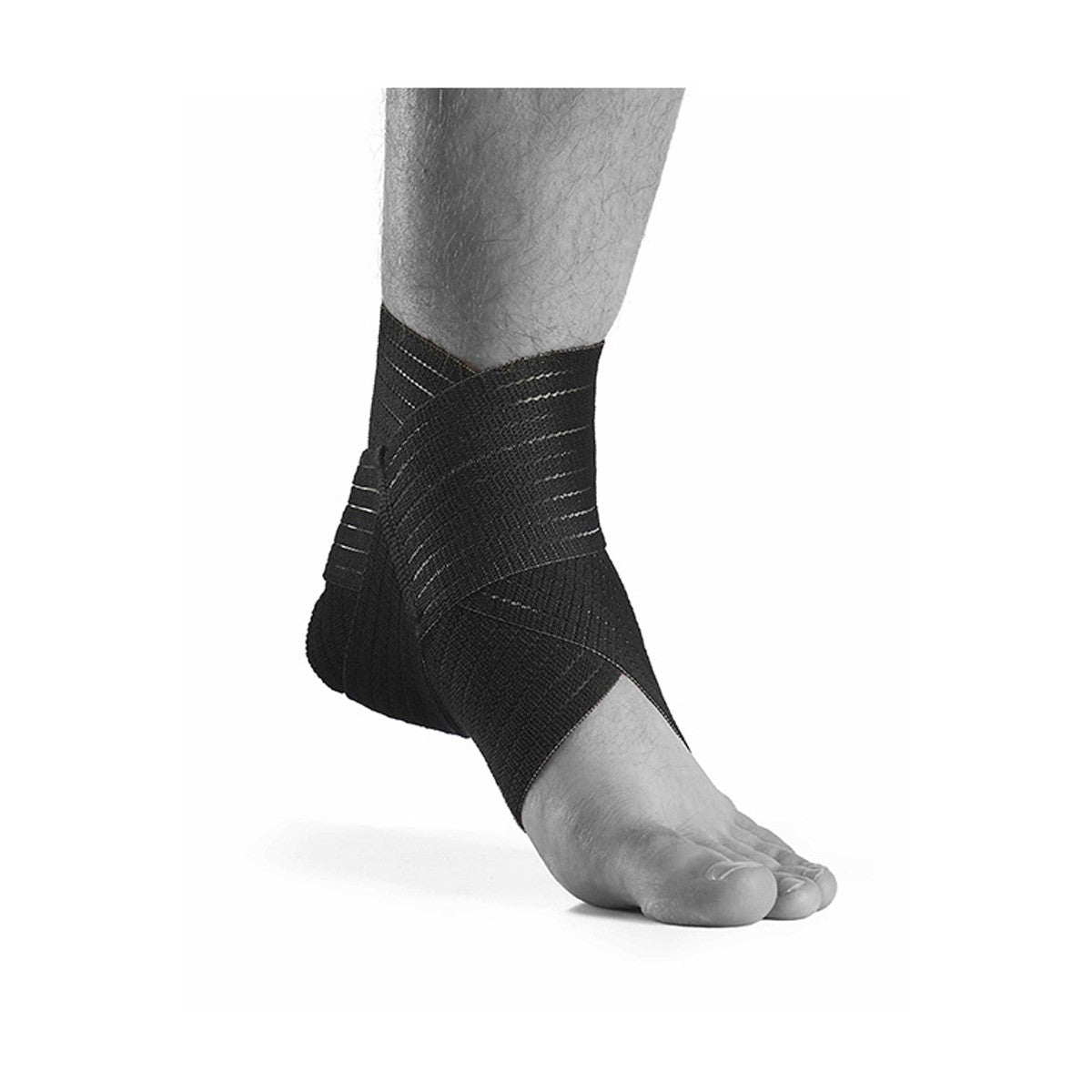
Compression is especially important in the early stages. Wrapping the ankle with an elastic bandage can help limit swelling, provide support, and promote healing. The bandage should be firm but not so tight that the foot feels cold or numb.
Good advice for the first time:
- Wrap the foot with a compression bandage as early as possible
- Keep your foot elevated when resting
- Adjust the load according to pain
- Cold can have a pain-relieving effect – cool the foot for short periods of time if necessary
- Start gently moving your foot when the pain allows.
Combining compression and early, gentle movement can help reduce stiffness and speed recovery.
How can I recover faster after a sprained ankle?
Once the worst of the pain and swelling has subsided, it is important to gradually start using your foot again. Many people experience a feeling of stiffness or weakness in their ankle after a sprain, which is completely normal.
You can help your foot by:
- increase the load gradually (use crutches if necessary to avoid limping)
- avoid quick turns at the beginning
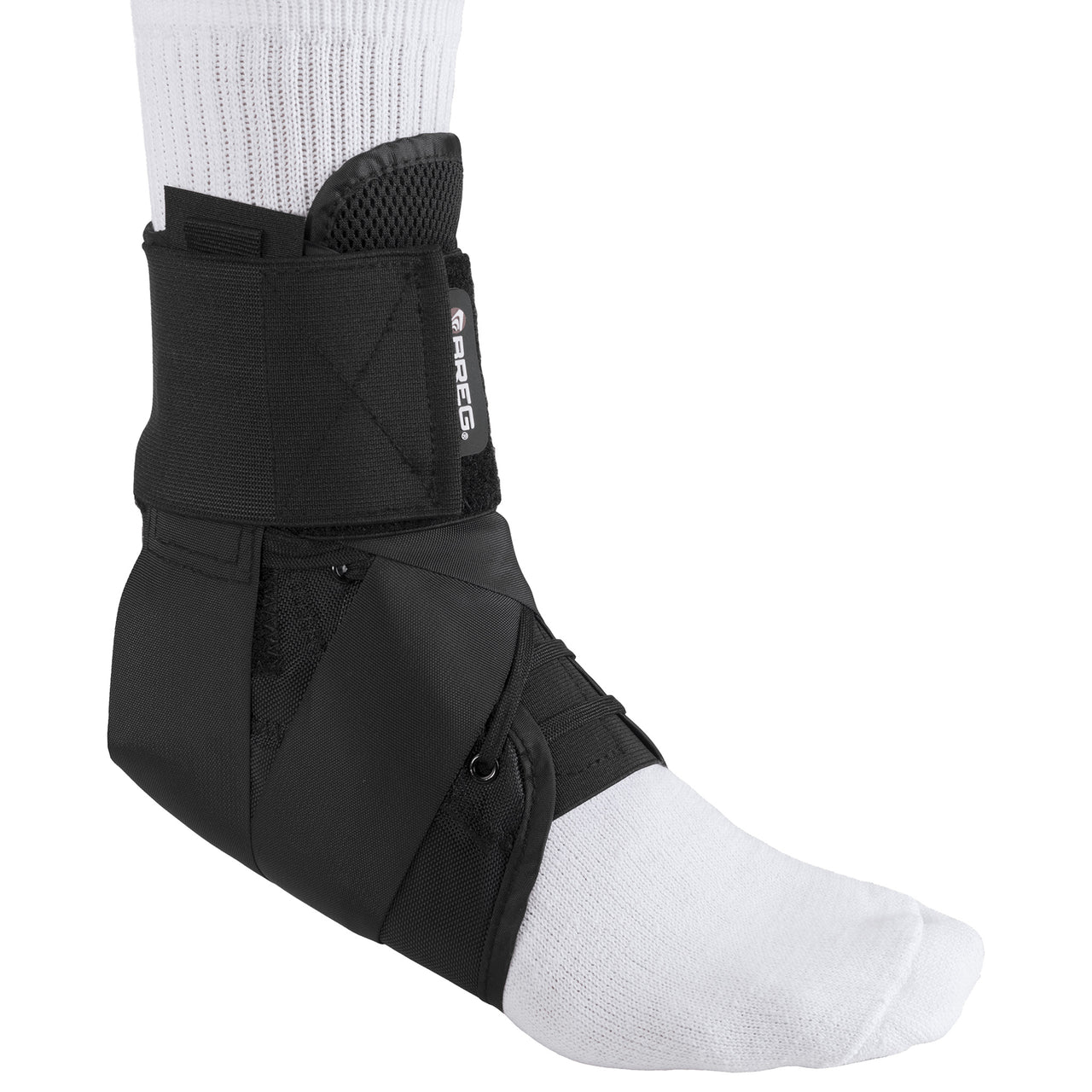
- use an ankle brace if necessary
- Exercise regularly for mobility, balance, and strength.
How long can you use an ankle brace after a sprain?
When the ankle is sprained, the stability of the joint is often affected. This can give a feeling of instability and make it easier for the foot to twist again. This leads to pain and swelling, but also affects proprioception, i.e., the joint's ability to sense its position. This can give a feeling of instability. An ankle brace can then provide immediate stability and security while you train your balance and strength again.
How long the support is needed depends on:
- how much pain and swelling you have
- your activity level
- how quickly will function and balance improve
Research shows that ankle supports can reduce the risk of another sprain – especially when combined with balance and stability training.
A typical timeline after a sprain
The first days
Focus on reducing swelling and pain. Compression and light support can be used while resting from heavier loads, but move the foot gently.
2–3 weeks after the injury
Many people use supports in their daily lives as long as they provide security and reduce discomfort. In the case of a severe ankle sprain, it is common to use a lateral stabilizing ankle support for 4–6 weeks. When you can walk without limping and stand steadily on one leg for about 30 seconds, you can start to taper off use.
When returning to sports
It is common to continue using supports during training or matches – especially in sports involving jumping and rapid changes of direction. This can reduce the risk of new sprains.
Five simple exercises after an ankle sprain
Our physiotherapist presents five exercises that can help you regain mobility, strength, and stability in your ankle. Start slowly and increase gradually. The exercises should not cause sharp pain – if it feels uncomfortable, reduce the load or rest.
- Foot pump – Sit or lie down with your leg relaxed. Bend your foot up and down at a leisurely pace. Repeat 15–20 times several times a day.
- Foot circles – Draw slow circles in the air with your foot, 10 turns in each direction.
- Standing calf stretch – Place your foot behind you and lean forward without lifting your heel off the floor. Do the exercise with both straight and bent knees. Hold for about 30 seconds.
- Stand on one leg – Stand on the injured foot and try to keep the foot in a neutral position. Use a wall for support if necessary. Hold the balance for 20–30 seconds and repeat 3 times.
As your balance improves, you can increase the difficulty by standing on a balance cushion, closing your eyes, or turning your head. - Toe raises – Stand with both feet on the floor and lift your heels. Slowly lower your heels back down. Repeat 10–15 times.
The exercise can be gradually increased by placing more weight on the injured foot and eventually doing toe raises on one leg.
Balance and stability exercises are especially important because the ankle often becomes less stable after a sprain.
Physiotherapist tips – five products that can help with a sprained ankle
At Rehaboteket, there are several products that can provide support in different parts of rehabilitation – from the acute phase to return to activity and sports.
- Our balance cushion with adjustable hardness is an effective training tool for strengthening balance and stability in the ankle.
- The NovaCool ankle cooling bandage provides both cooling and compression in the same product and can help reduce swelling and pain in acute injuries or after activity.
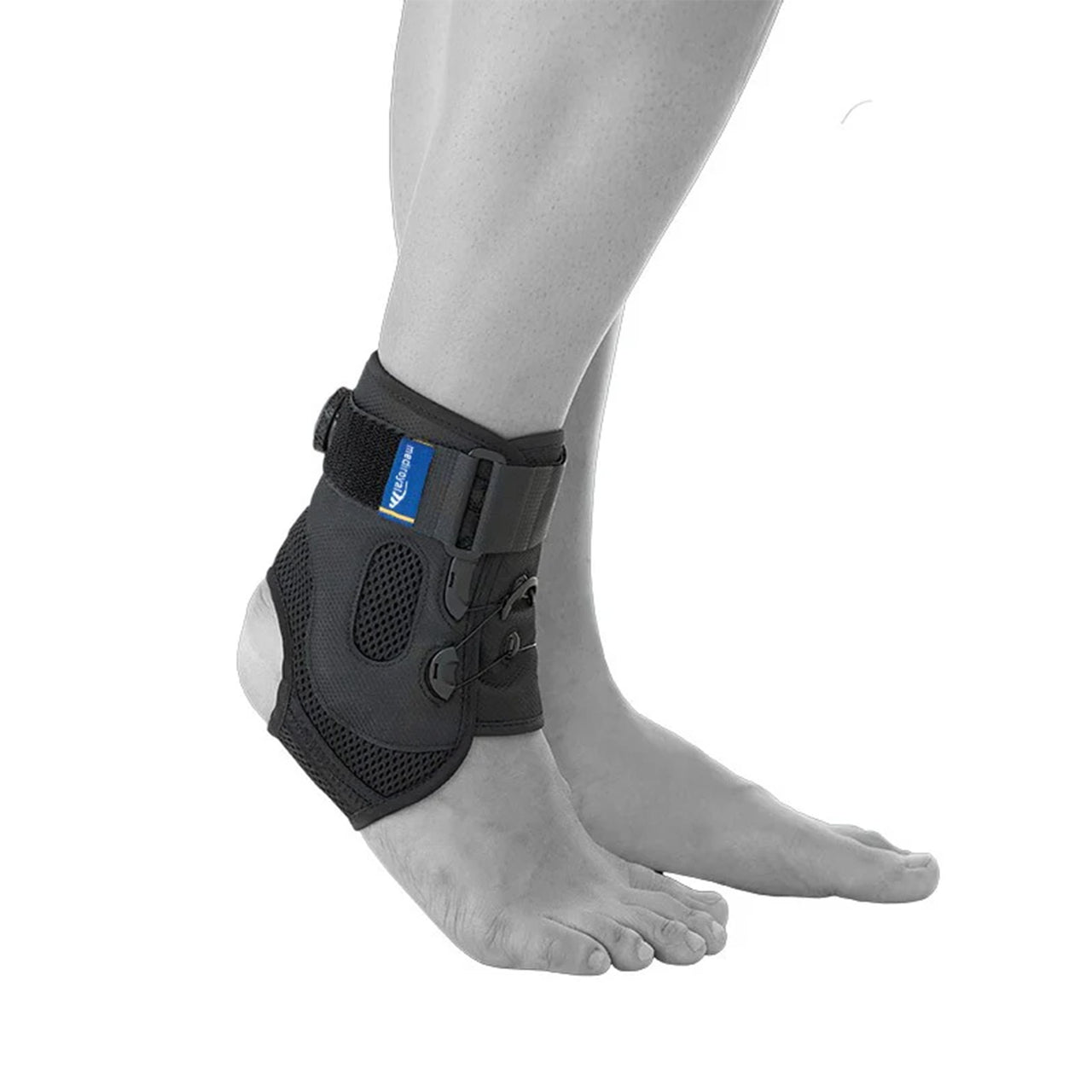
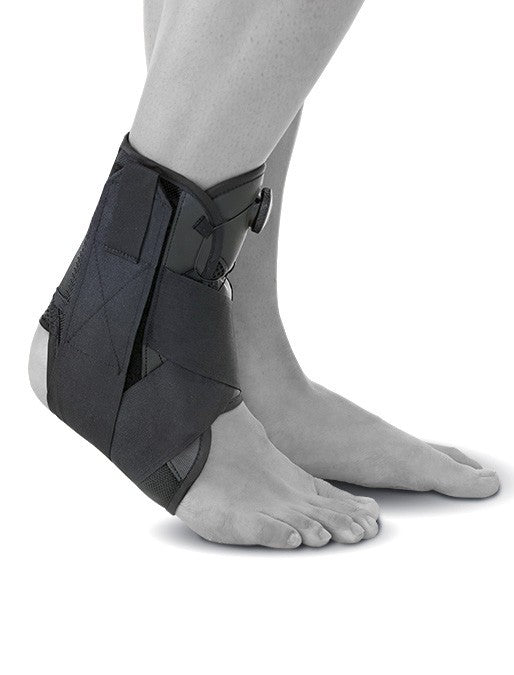
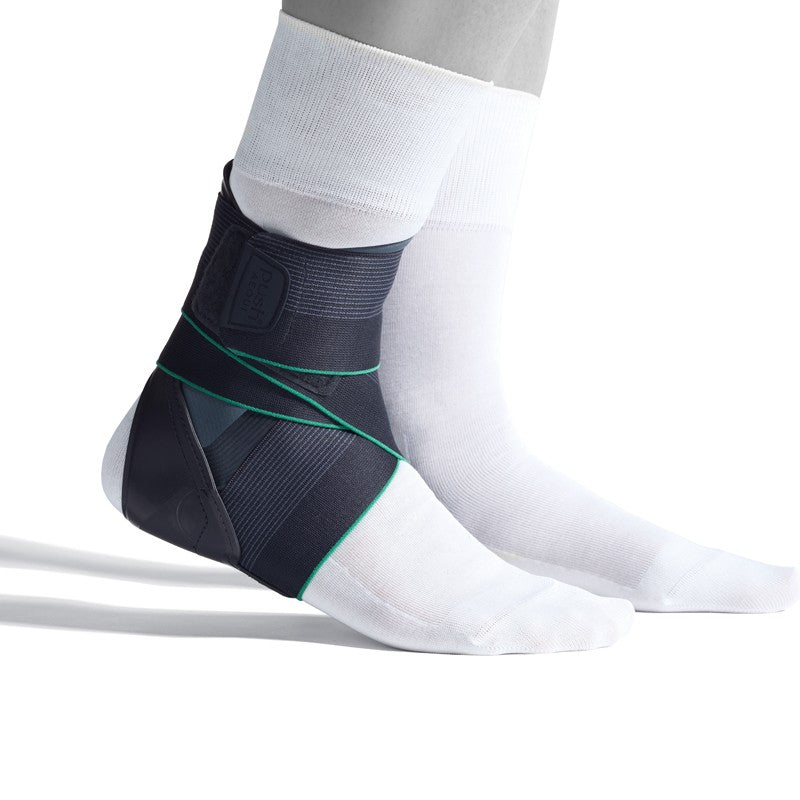
- The CRX Ankle Plus combines compression and extra lateral stabilization. It is a suitable support for everyday use when problems with swelling and instability occur.
- Armis is a stable ankle brace that can reduce the risk of new sprains when you return to your sport.
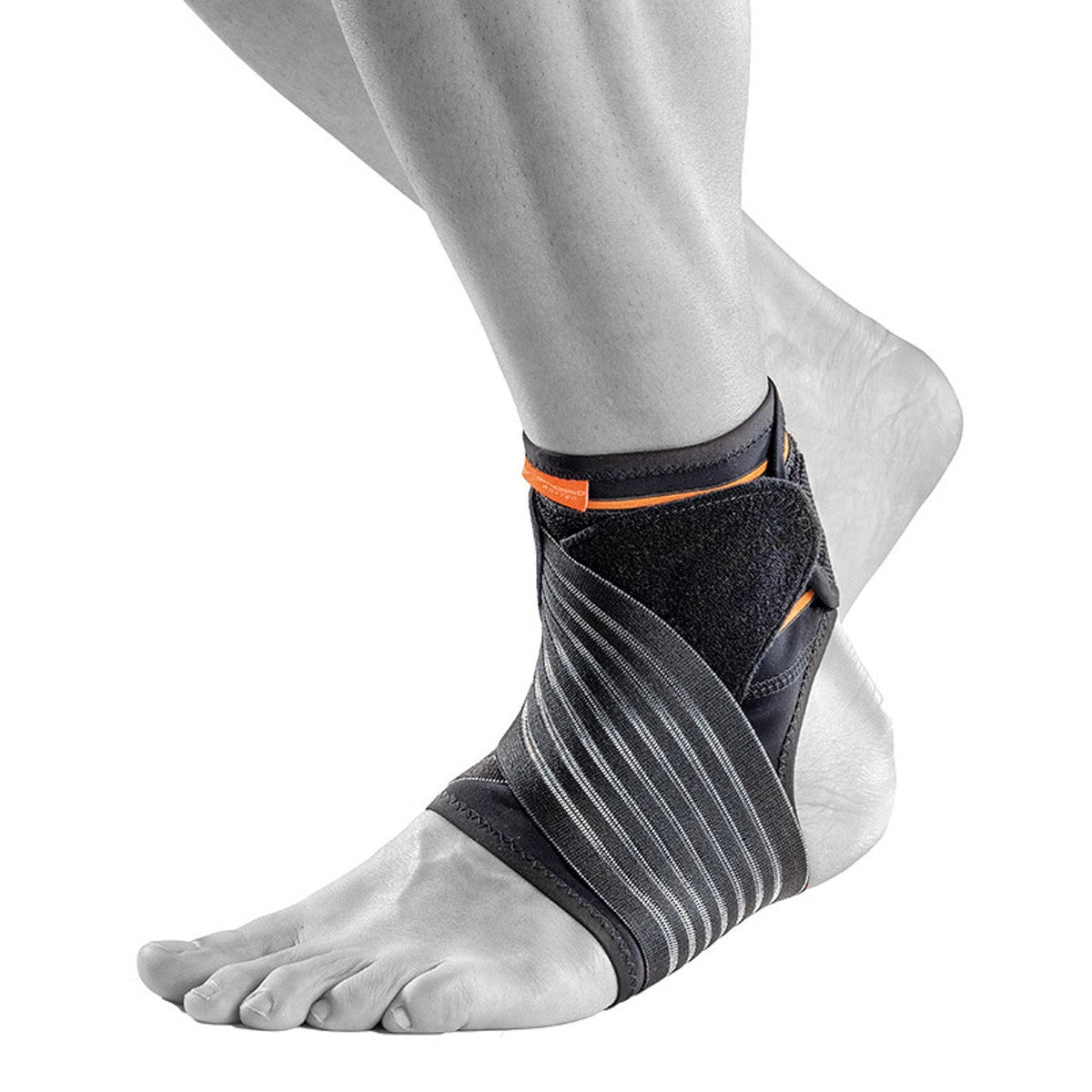
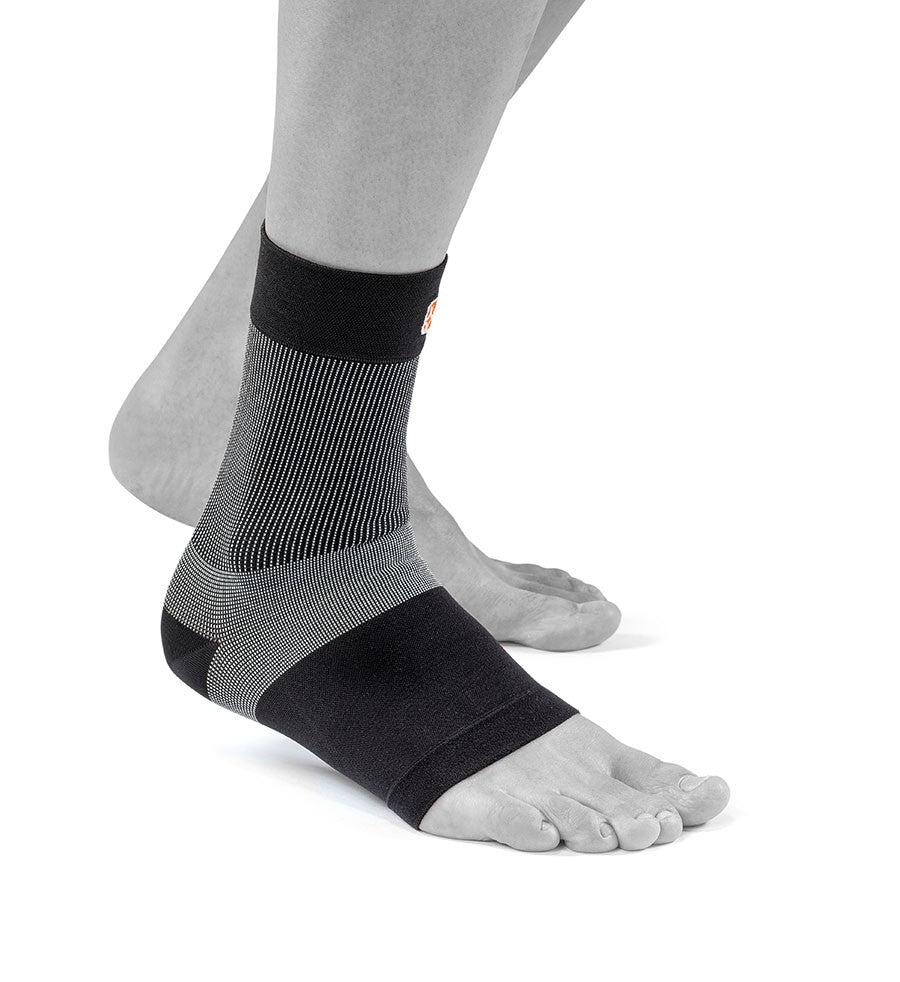
- Orthoself is a thin and flexible compression support that is suitable when you are further along in your rehabilitation and only need light support for your ankle.
How long does it take to recover from a sprained ankle?
How quickly your ankle recovers depends on how severe the sprain was. Many people get better within a few weeks, but balance and stability may need to be trained for a longer period of time. Continued balance and strength training can reduce the risk of new sprains and help you feel confident in carrying weight again.
If you want to understand more about symptoms, causes, treatment, and when it may be wise to seek medical attention, we recommend our Sprained Ankle Injury Guide.
If you would like help choosing the right product based on your complaints, you are always welcome to contact our physiotherapist for personal advice.