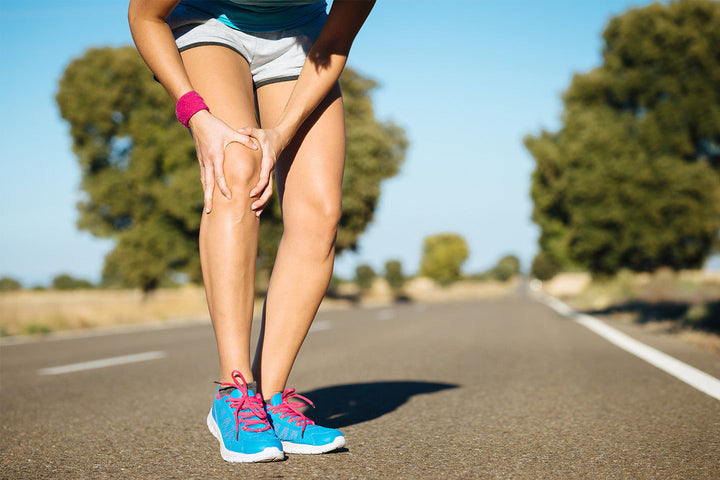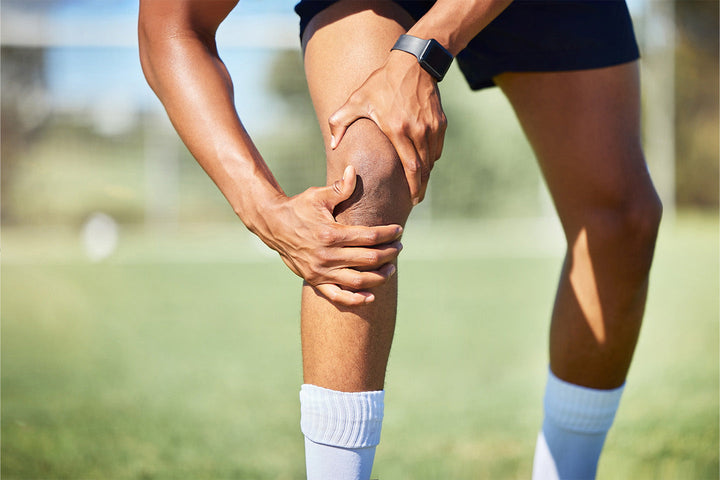

An anterior cruciate ligament injury is one of the most common serious knee injuries and directly affects the stability of the knee joint. The injury often occurs in connection with twisting or overextension in high-intensity sports such as football, handball and alpine skiing. Treatment often includes surgery combined with long-term rehabilitation.
What is an anterior cruciate ligament injury?
The anterior cruciate ligament (ACL) is one of the most important stabilising ligaments in the knee joint and prevents the lower leg from being pushed forward in relation to the femur. It also prevents overextension of the knee joint. The injury occurs when the ligament is stretched, partially torn or completely torn. Anterior cruciate ligament injuries are divided into three degrees, from stretching to total rupture.
Common causes & risk factors
An ACL injury is often caused by a twisting motion in a weight-bearing knee, hyperextension, or a forceful forward movement of the lower leg. A combination of these movements increases the risk of ligament rupture. ACL injuries are particularly common in football (soccer), handball, and alpine skiing. Women are affected slightly more often than men, partly due to anatomical and biomechanical differences.
Symptoms
- Severe pain at the time of injury
- Immediate swelling in the knee joint
- Difficulty supporting the leg
- Instability and feeling like the knee is “giving way”
- Bleeding in the knee joint is common in cases of total rupture
When should you seek medical attention?
An ACL injury is always a serious injury. If you suspect that your anterior cruciate ligament has been injured, you should seek medical attention immediately for examination, diagnosis, and appropriate treatment.
Recommended braces & supports
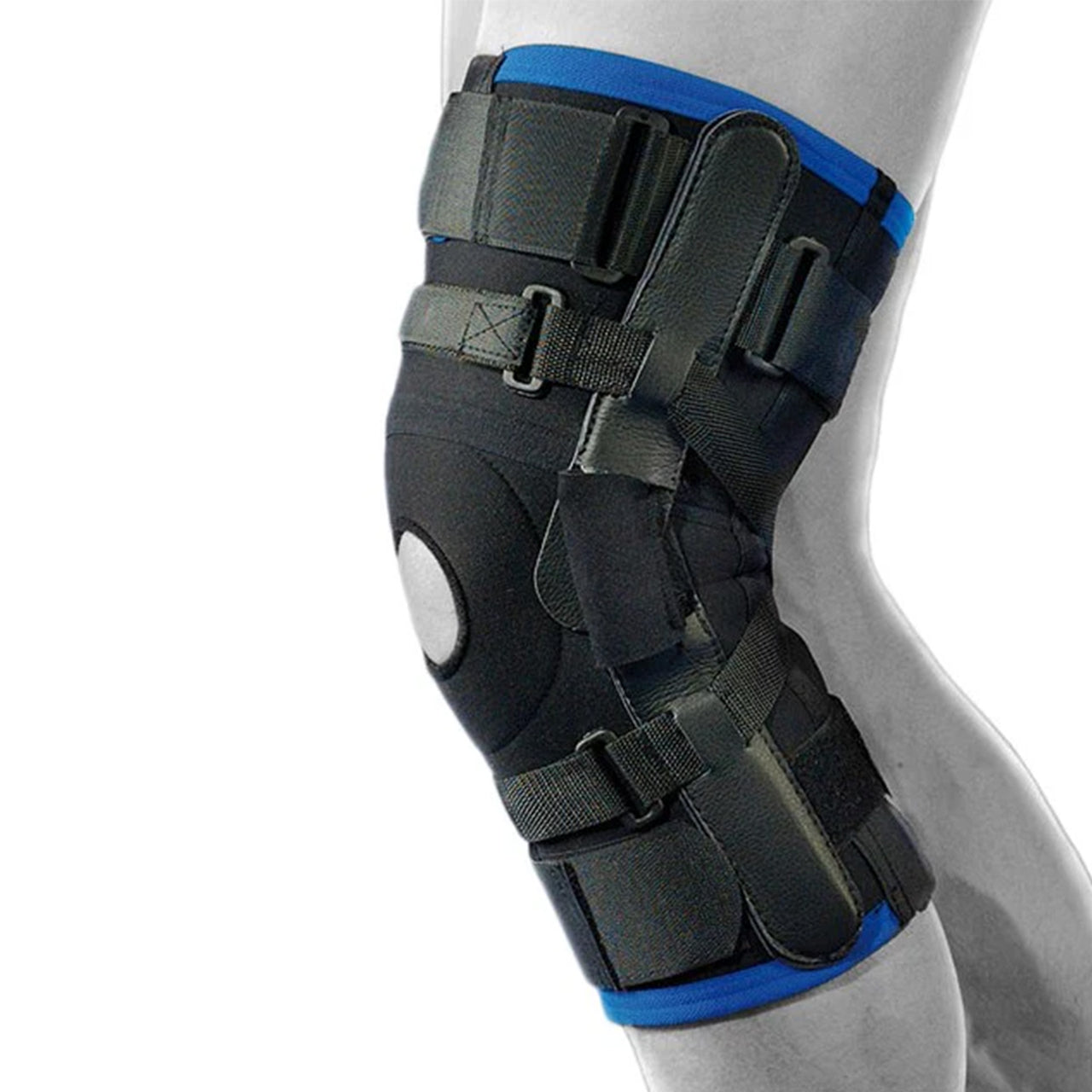
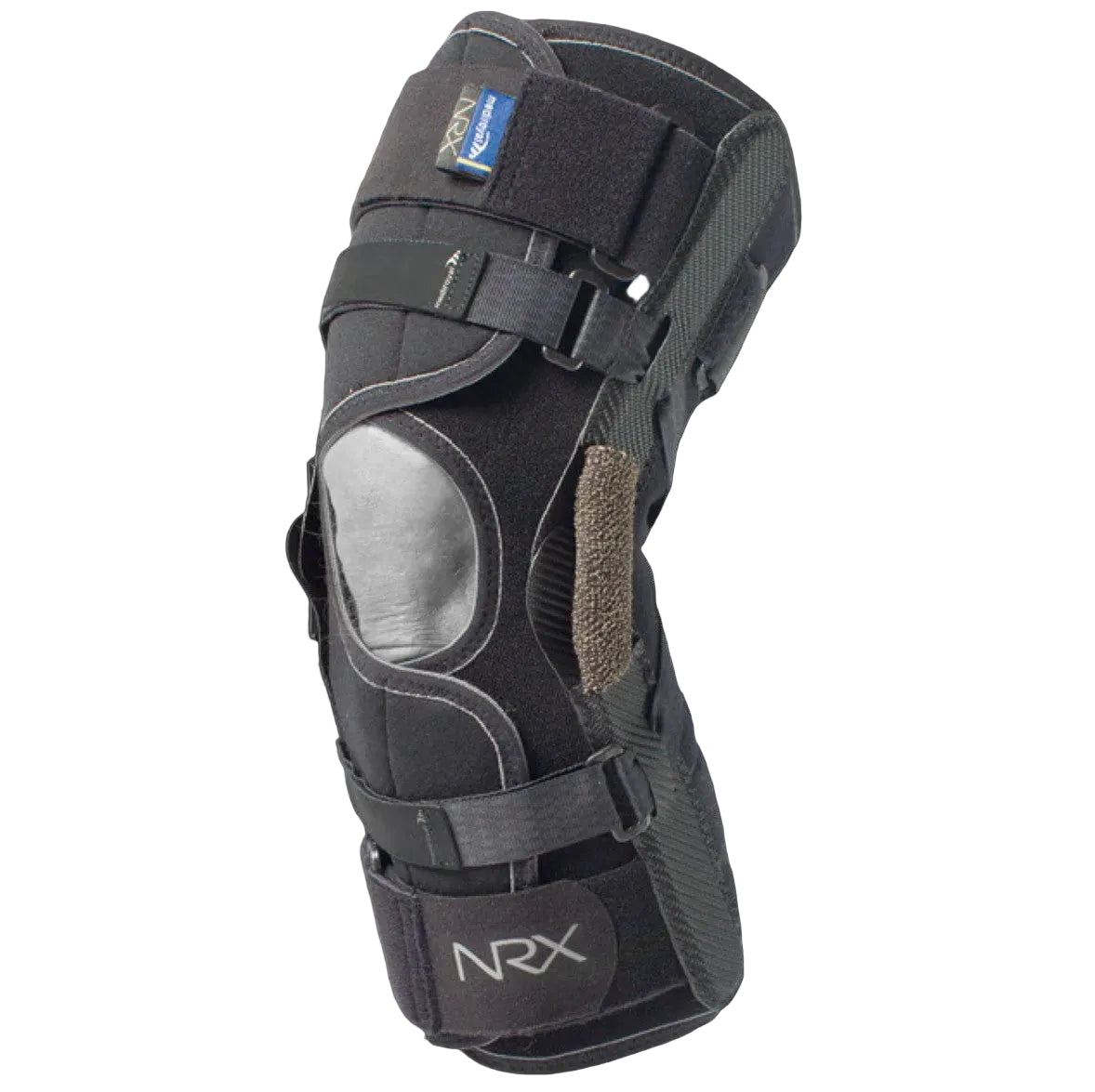
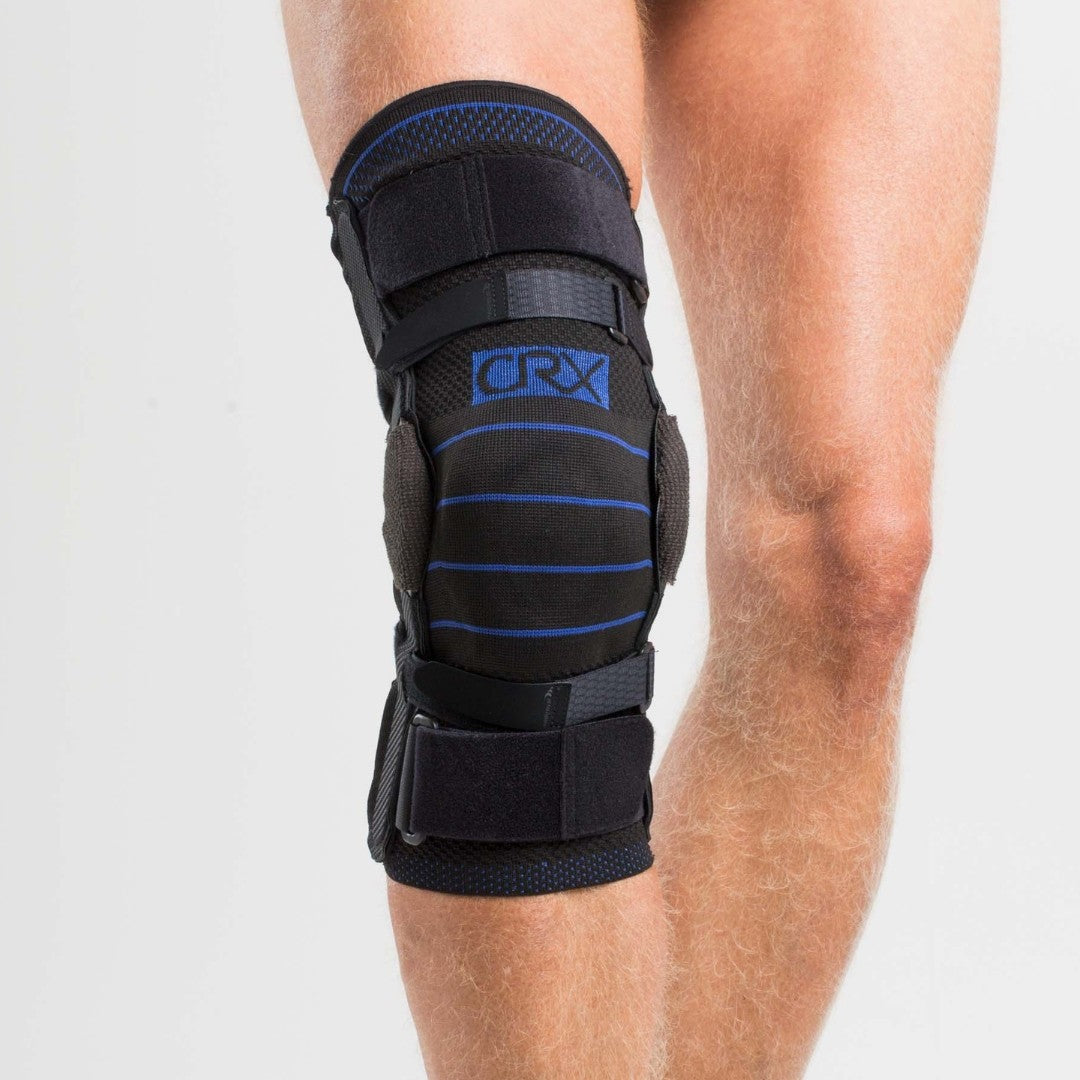
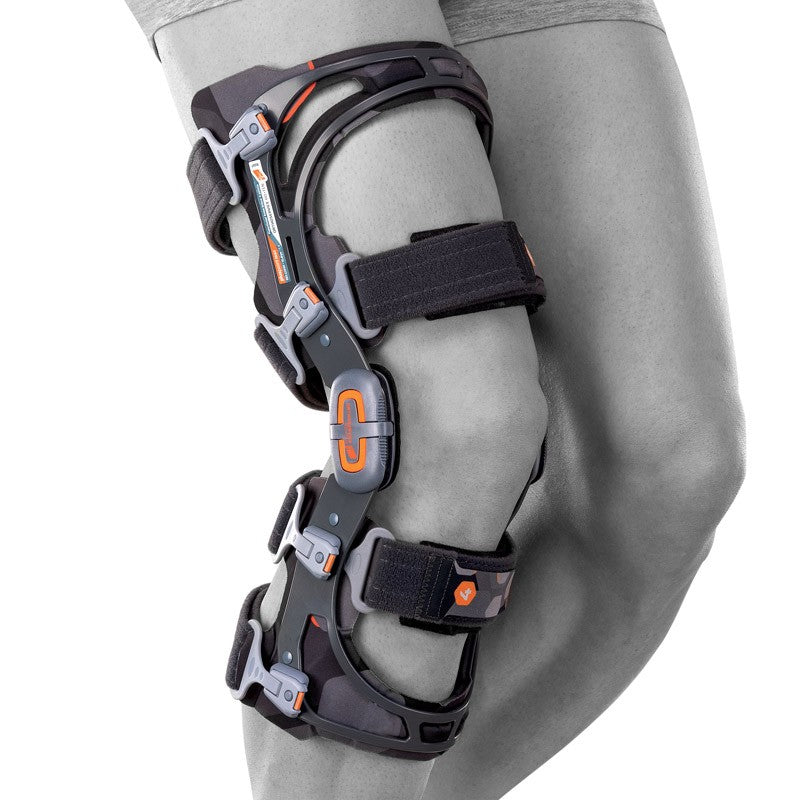
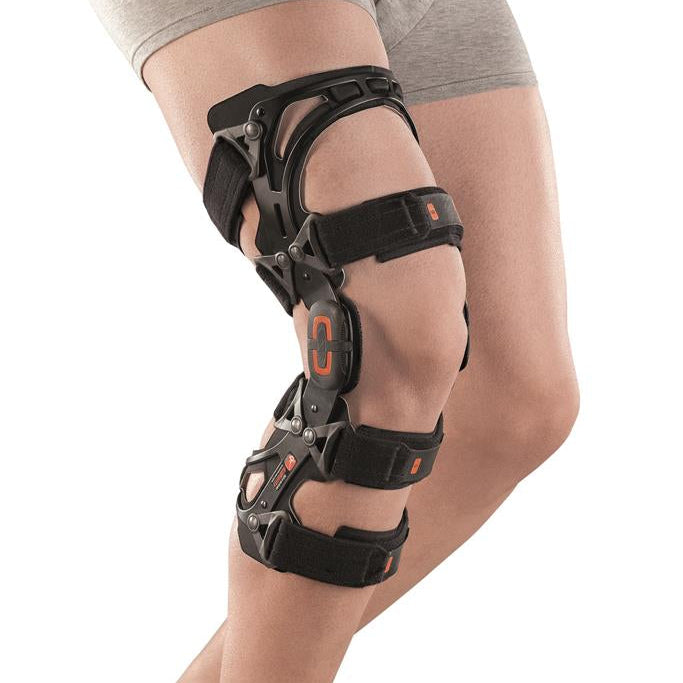
Following an ACL injury, the right knee brace can help improve stability and confidence during daily activities and rehabilitation. A stabilising ACL knee brace is often used to provide medial-lateral stability, control knee movement, and help prevent hyperextension. It can be used while waiting for surgery, as part of rehabilitation, or by people who are treated without surgery. Rehabilitation with a physiotherapist is always essential to restore knee function and stability.
See all braces and supports that can help relieve strain with an ACL injury
Related injuries
In Knee Injury Guide, you can read more about common knee injuries and conditions. You can also go to the Injury Guide main page to read about other injuries and symptoms.