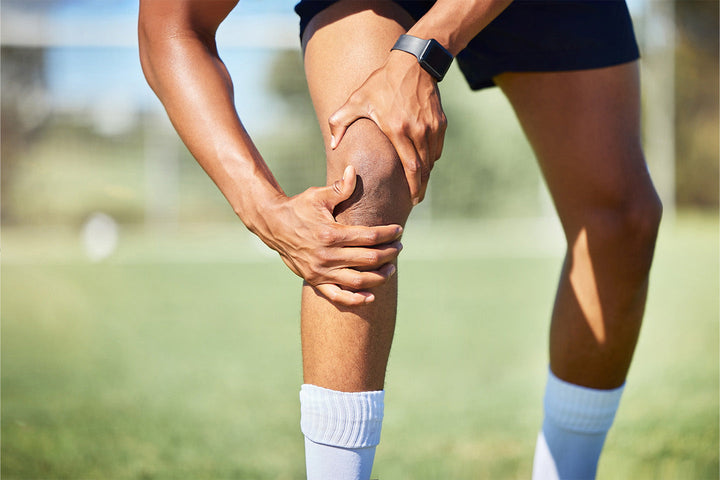

Schlatter's disease, also known as Schlatter's disease, is a common cause of knee pain in children between the ages of 8 and 16. The condition is caused by inflammation of the patellar tendon's attachment to the lower leg, often associated with periods of growth and high activity.
What is Schlatter?
Schlatter's disease, or Morbus Schlatter, means that the attachment of the patellar tendon to the lower leg becomes inflamed. This can cause a tender lump under the kneecap, known as a "Schlatter's nodule." The condition is completely harmless and goes away when the child is fully grown, but can be painful in the meantime.
Common causes & risk factors
Lower leg pain can occur for several reasons. During growth periods, the growth zone is extra sensitive, and the risk of problems increases. A high amount of training, especially in sports that involve a lot of jumping and running, can also contribute to the problems. Repetitive loads in everyday life and training are also common risk factors that can lead to pain.
Symptoms
- Pain below the kneecap during activity, sometimes even at rest
- Tenderness and sometimes swelling over the patellar tendon attachment
- Pain when climbing stairs or intense muscles use
- Lump formation (“Schlatter’s nodule”) under the knee
When should you seek medical attention?
In case of very severe pain, persistent discomfort that is not relieved by rest, or if the child has difficulty participating in everyday activities.
Recommended protection & support
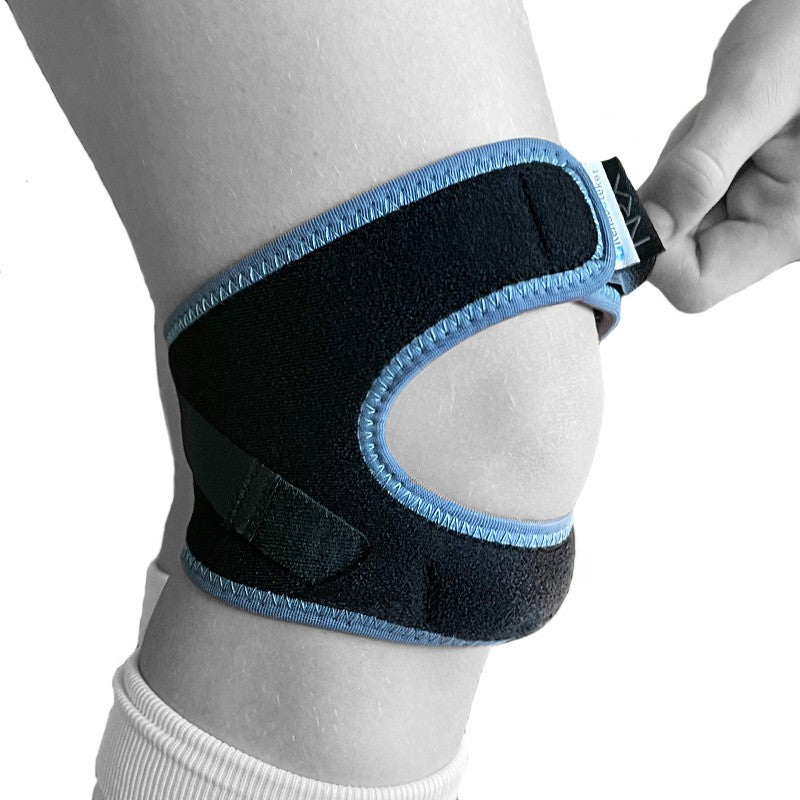
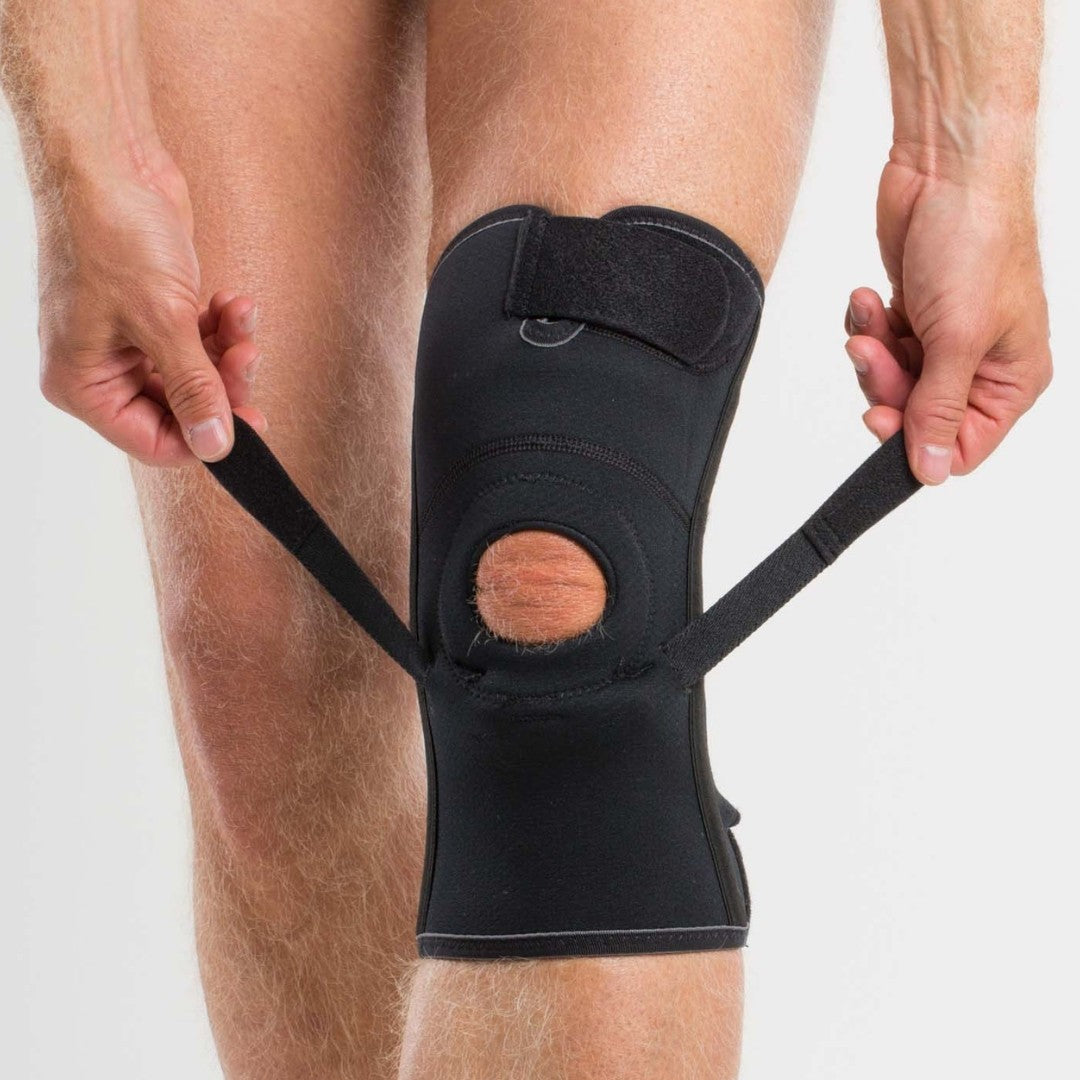
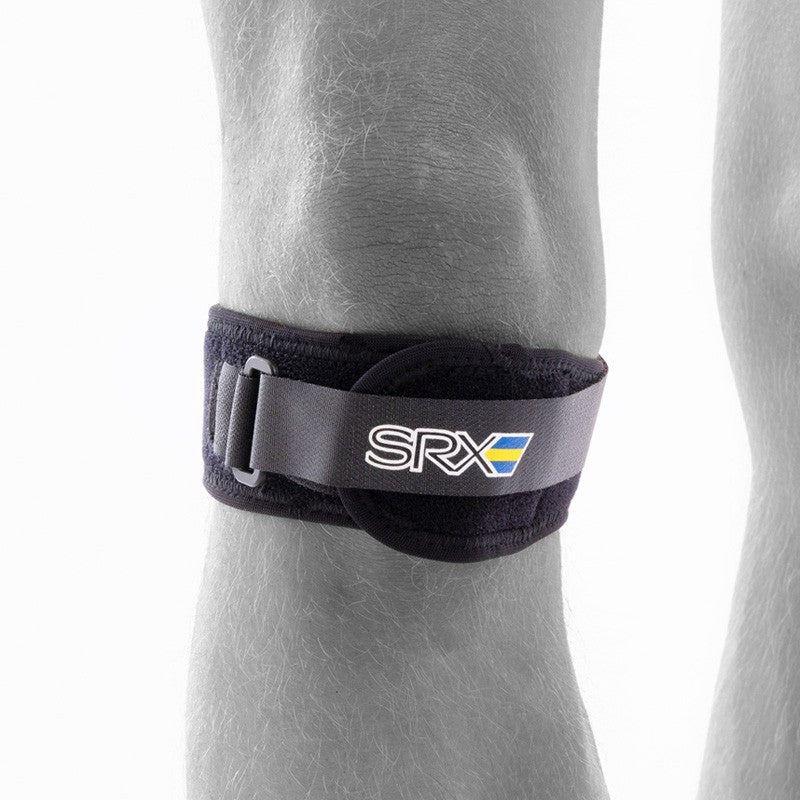
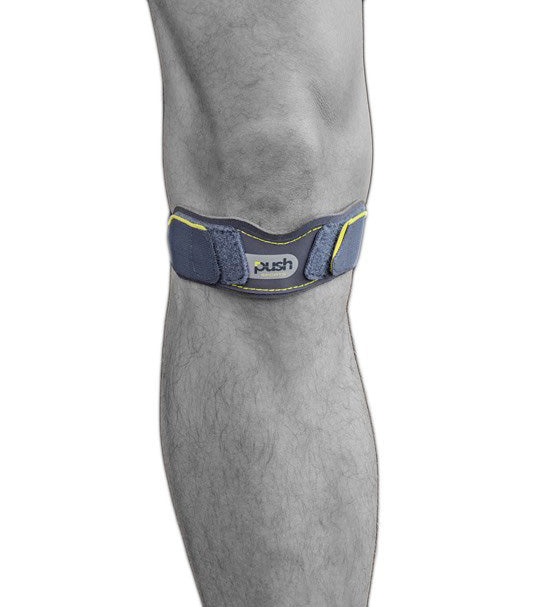
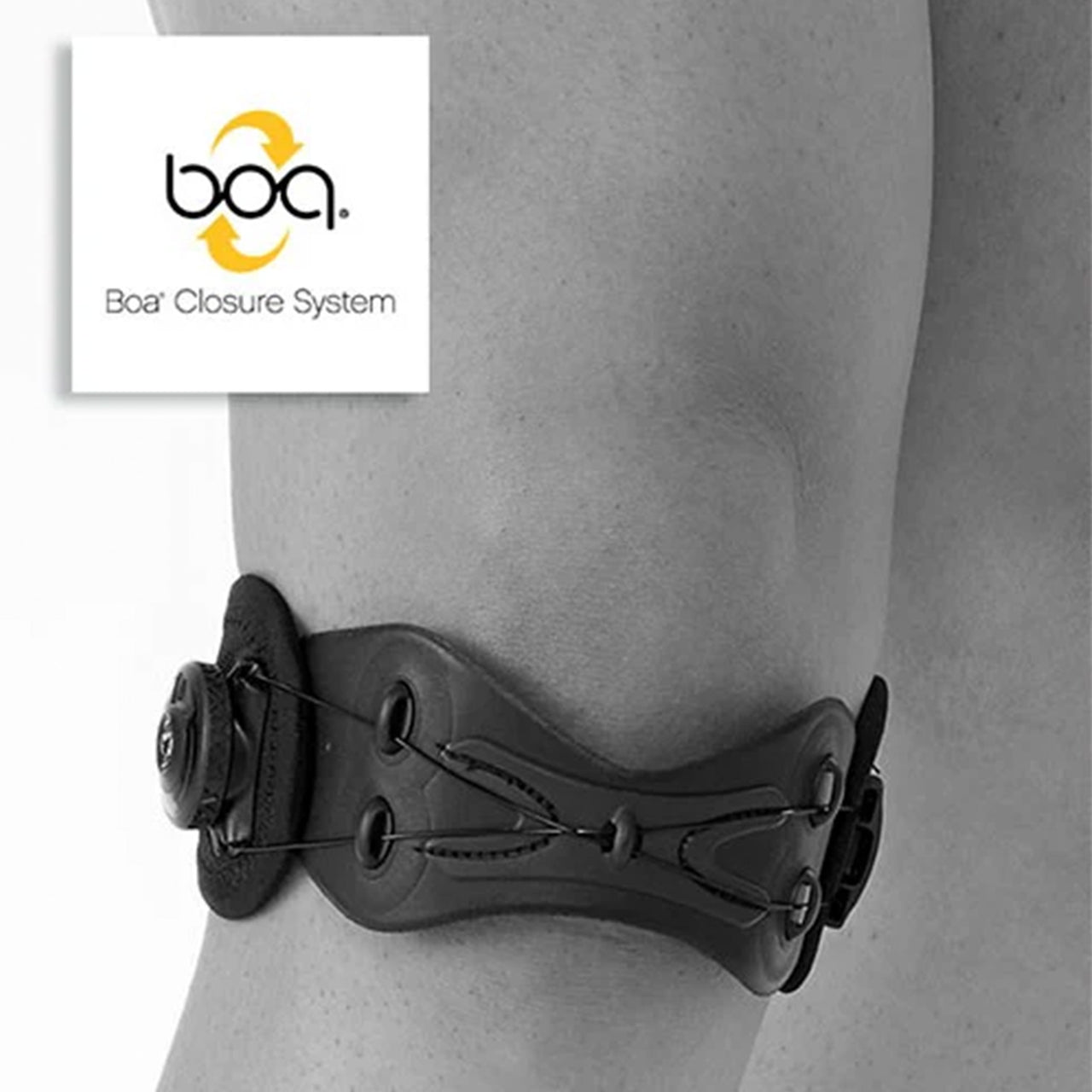
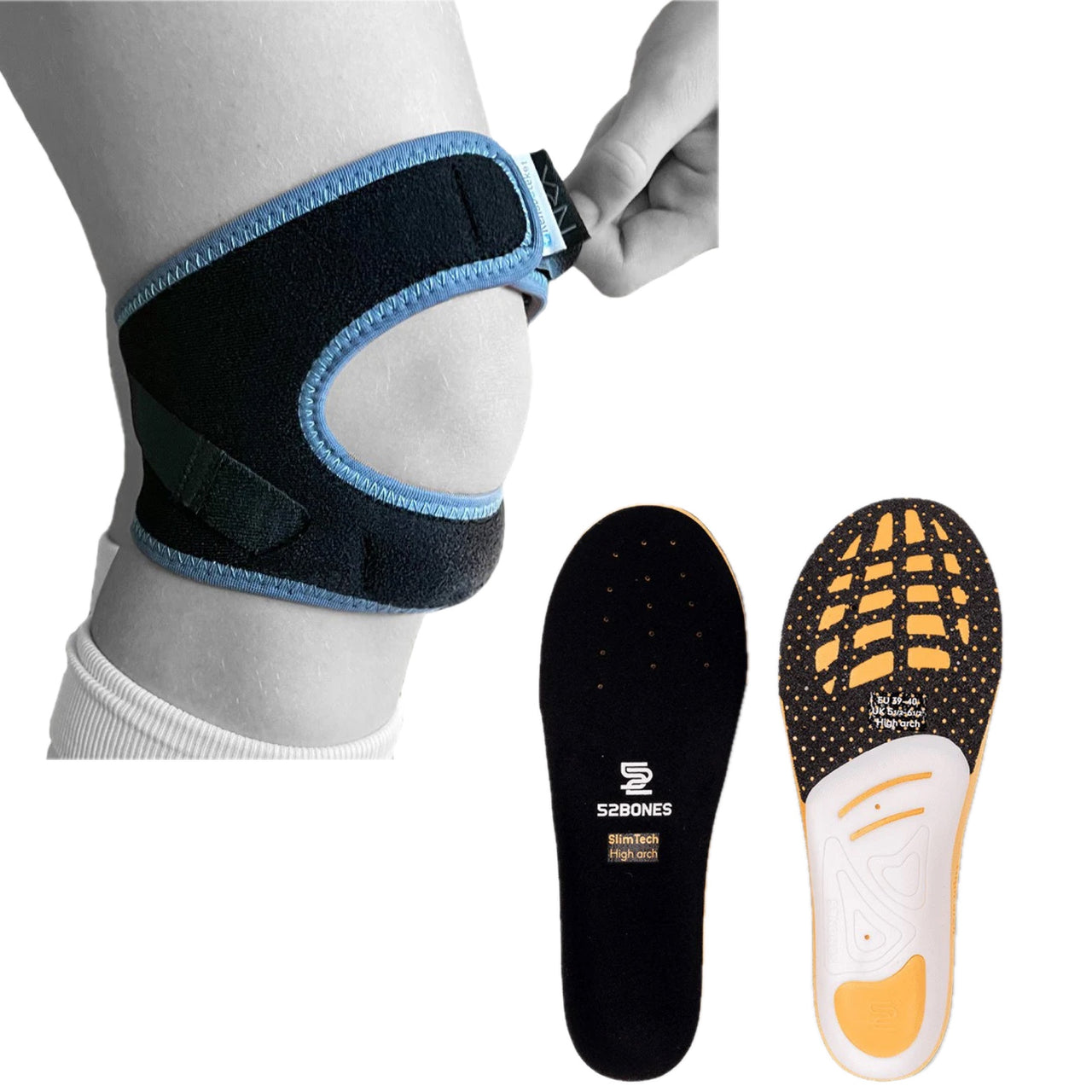
With Osgood-Schlatter disease, the right support and offloading can help reduce pain and provide greater confidence during activity and sports. A knee strap can relieve pressure on the area below the knee and reduce pain during activity. The strap is positioned above the painful area for optimal effect.
The child may often need to reduce activities that trigger pain and adjust their training. Tailored rehabilitation aimed at building leg strength, especially thigh muscle strength, has been shown to have good effects. If the muscles at the front of the thigh are tight, stretching may help. With the right support and load management, children can often continue to stay active, even if pain persists for a period of time.
See all supports and braces that can relieve symptoms of Osgood-Schlatter disease
Related injuries
In the Knee Injury Guide, you can find more information about common knee injuries and conditions. You can also go to the Injury Guide main page to read about other injuries and symptoms.