
Jumper’s knee and Osgood-Schlatter disease both cause load-related knee pain around the kneecap and patellar tendon. However, the symptoms occur in different locations and often affect different age groups. Jumper’s knee is a tendon condition mainly seen in active adolescents and adults. Osgood-Schlatter disease, on the other hand, is linked to overuse near a growth plate and primarily affects children and teenagers.
It is not always possible to determine the cause based solely on where it hurts. However, the location of the pain, the person’s age, training volume and how the symptoms started provide important clues.
Jumper’s knee affects the area near the kneecap
Jumper’s knee is also known as patellar tendinopathy and means that the patellar tendon has become sensitive to load. The tendon runs from the kneecap to the upper part of the shinbone. The pain is usually felt directly below the kneecap, but can sometimes occur along the whole tendon or parts of it.
The condition is common in sports involving frequent jumping, quick changes of direction and explosive movements. Basketball, volleyball, football and running are typical examples. Physically demanding work involving repeated lifting or frequent squatting can also put strain on the tendon.
At first, pain is often noticed during the warm-up or after activity. When symptoms have been present for longer, climbing stairs, squatting and getting up from a chair can also hurt. The tendon may be tender to pressure. Jumper’s knee usually develops gradually rather than following a single injury.
Osgood-Schlatter disease is linked to growth
Osgood-Schlatter disease, also known as Schlatter’s disease or Osgood-Schlatter knee, affects children and young people whose skeletons are still growing. The symptoms occur at the upper part of the shinbone, where the patellar tendon attaches. This area is a few centimetres below the kneecap. A similar problem can also occur where the patellar tendon attaches to the kneecap; this condition is known as Sinding-Larsen-Johansson syndrome.
With Osgood-Schlatter disease, the tendon attachment becomes irritated when the thigh muscle and patellar tendon repeatedly pull on the growth area. This is particularly common during periods of rapid growth when training also involves a lot of running, jumping or kicking.
The pain is often located over a noticeable bump on the shinbone. The bump may be tender and sometimes swollen. Kneeling, running, jumping or climbing stairs can make the symptoms worse. Some people develop symptoms in both knees. The bump can remain even after the pain has gone and growth has finished.
Age and the pain location provide clues
The clearest difference is that Osgood-Schlatter disease and Sinding-Larsen-Johansson syndrome are almost always associated with an ongoing growth period. Jumper’s knee, however, can affect both older adolescents and adults and is not caused by the skeleton growing.
Neither jumper’s knee nor Osgood-Schlatter disease usually causes locking of the knee joint. Pronounced swelling of the whole knee, instability or a sudden impact therefore suggests that other structures may be affected and should be assessed.
Managing load and returning to activity
With both conditions, the load usually needs to be adjusted to a level that does not clearly increase pain. Complete rest is rarely the only solution. For jumper’s knee, the focus is often on gradually strengthening the thigh muscles and patellar tendon. A return to jumping, running and more demanding knee exercises takes place gradually, guided by symptoms.
With Osgood-Schlatter disease, training volume may need to be reduced during painful periods. The child can often stay active if the pain is manageable and returns to its usual level afterwards. Mobility and strength around the hips, thighs and calves may form part of rehabilitation.
Knee strap or knee support
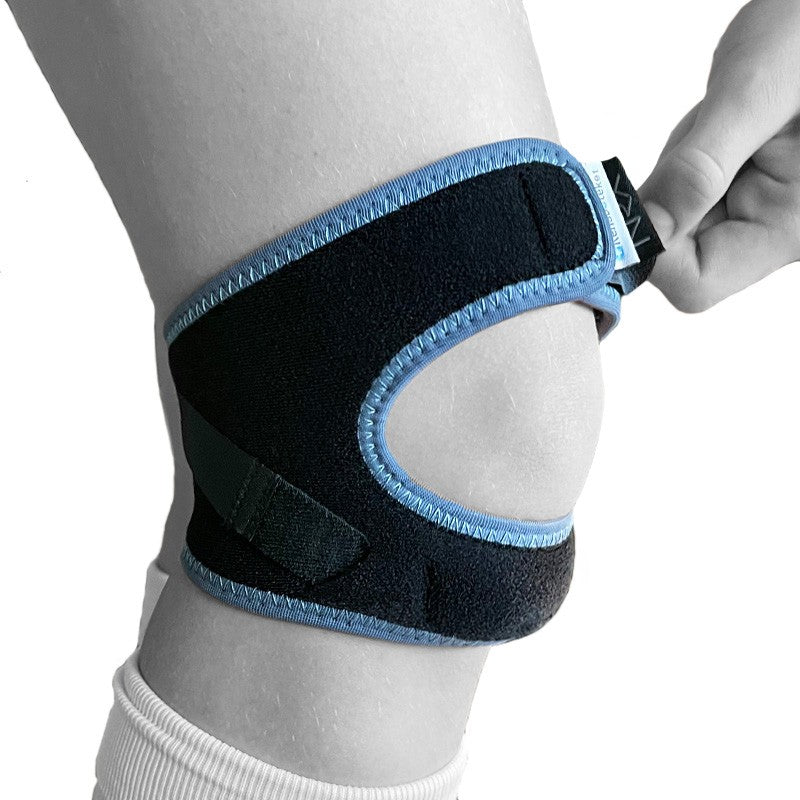
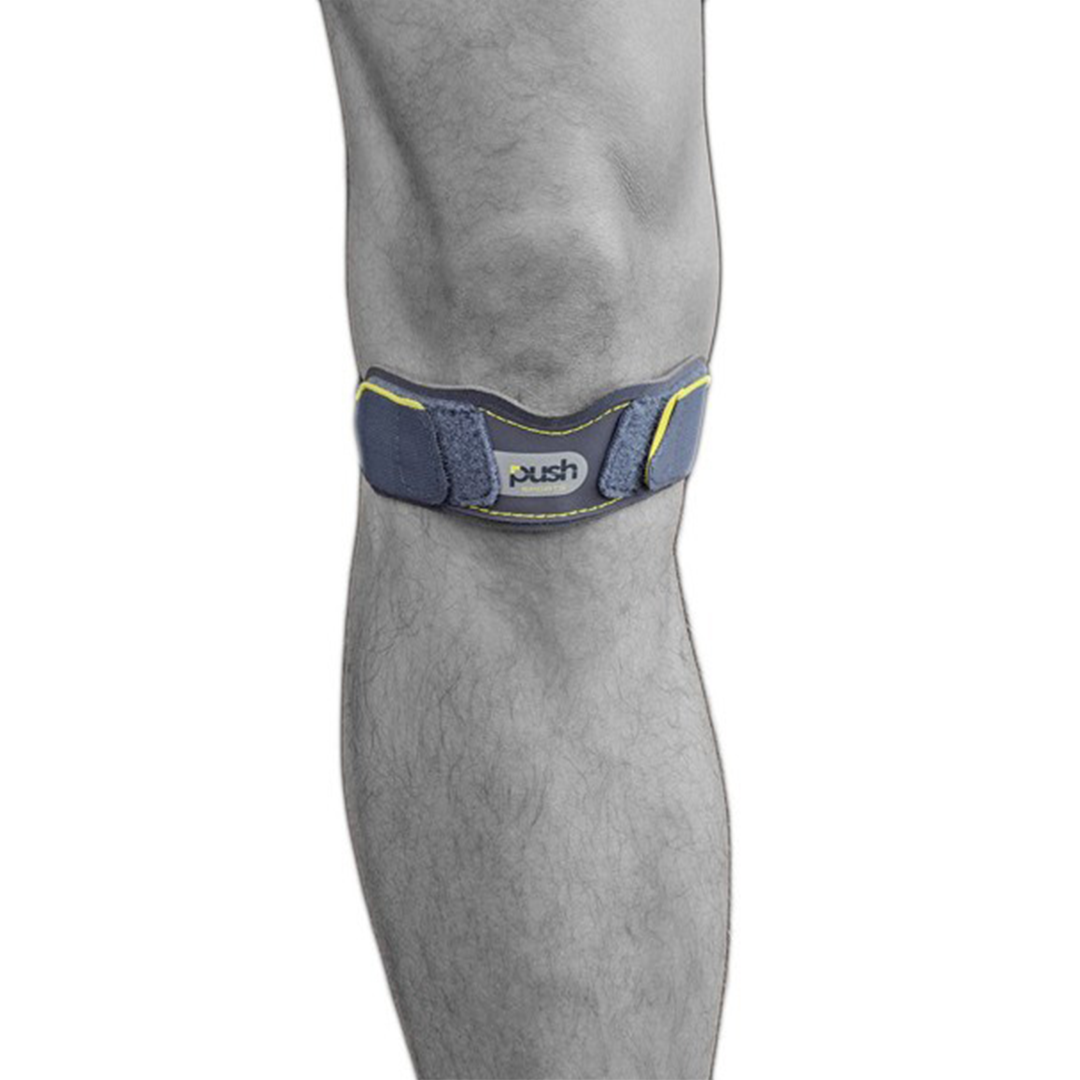
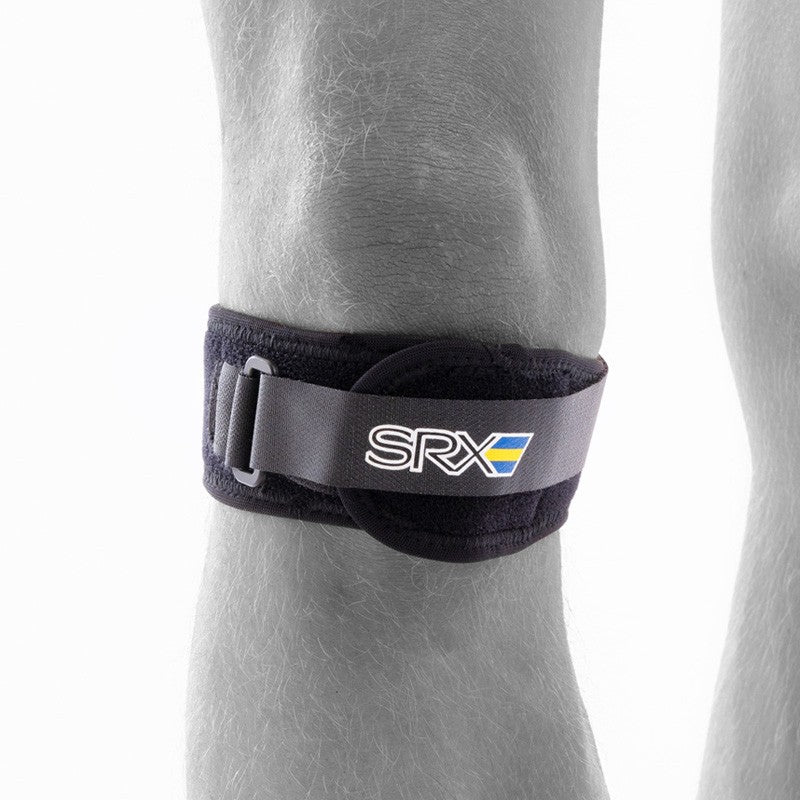
A knee strap is positioned over the patellar tendon below the kneecap and applies targeted pressure to the tendon during activity. Several models have a pad that can be moved to the most tender area for individually adjusted support and unloading.
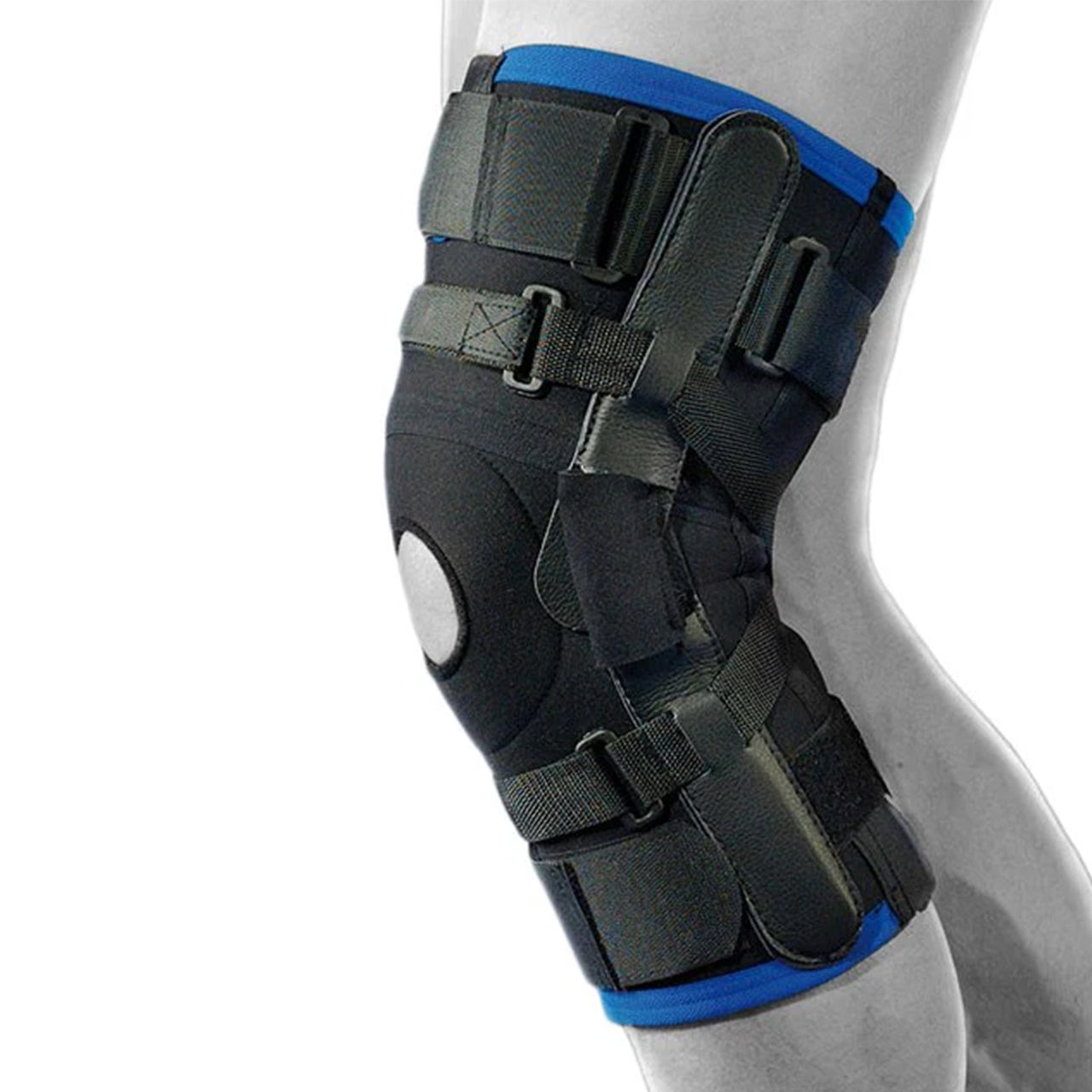
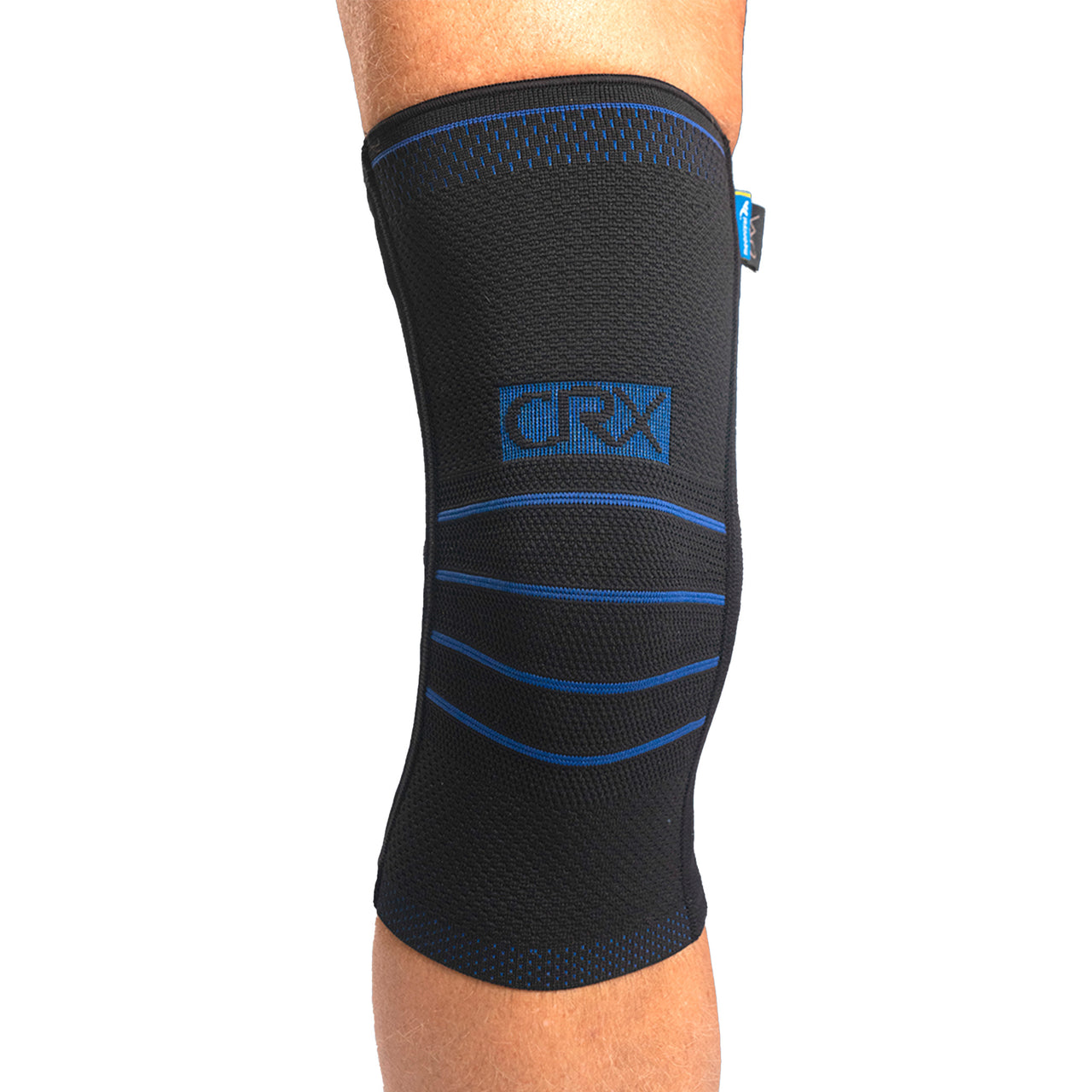
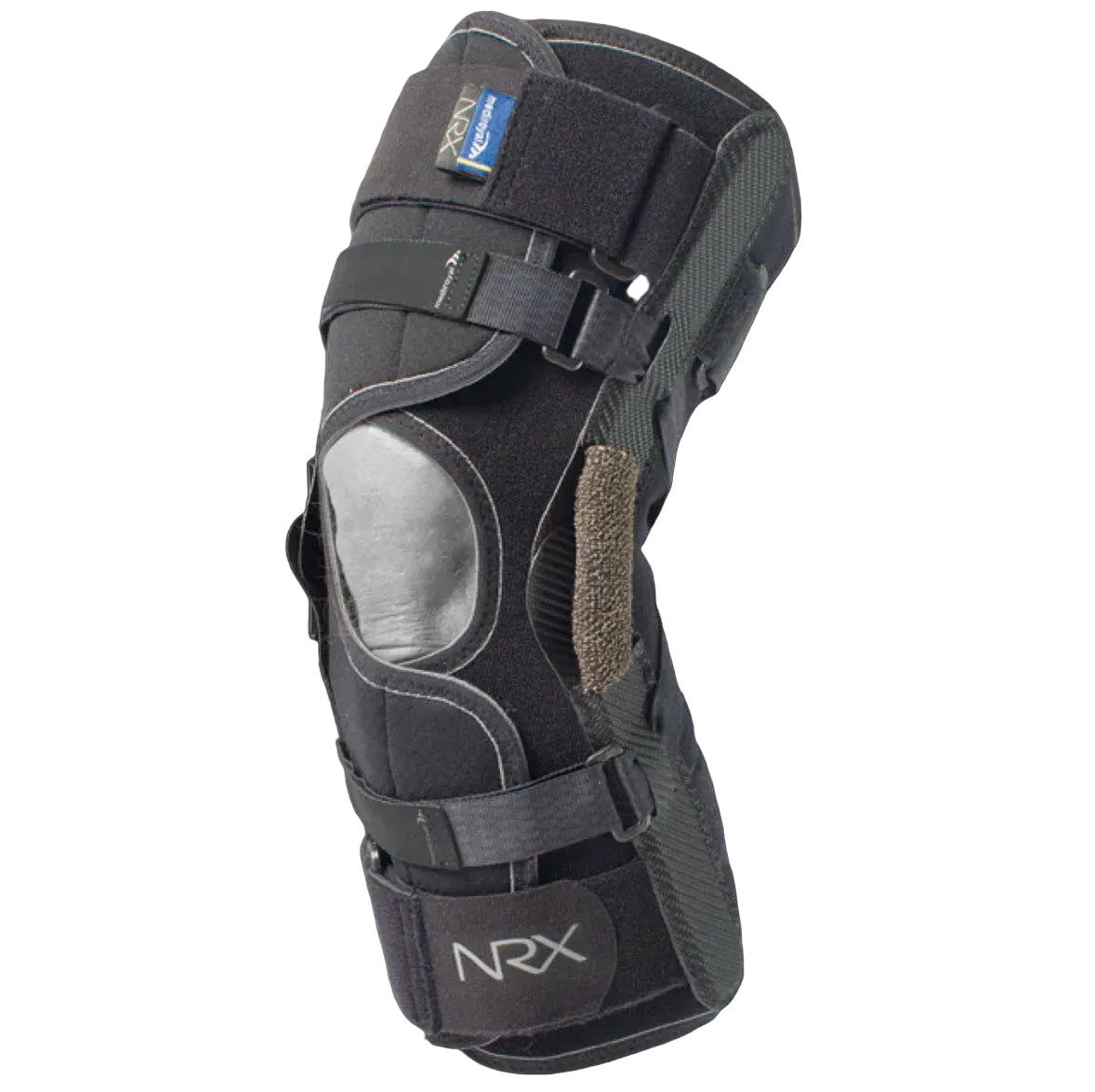
A knee support with an open kneecap instead surrounds the whole joint and provides compression over a larger area. Which type suits you depends on where the tenderness is and how much load you put on the knee. For children who continue playing sport during a period of Osgood-Schlatter symptoms, a strap is usually used rather than a larger support, as it is less bulky under trousers and easier to remove between sessions.