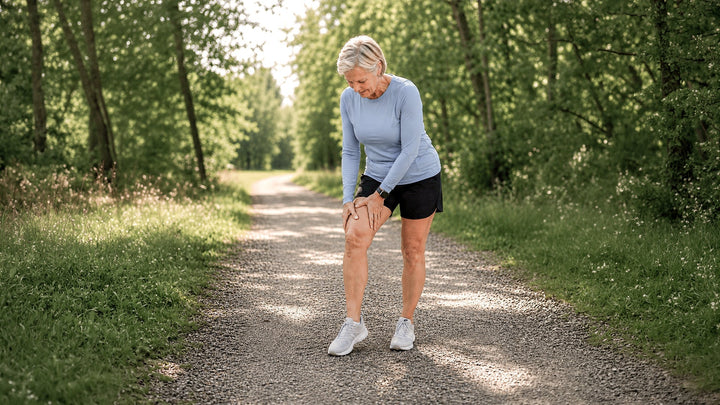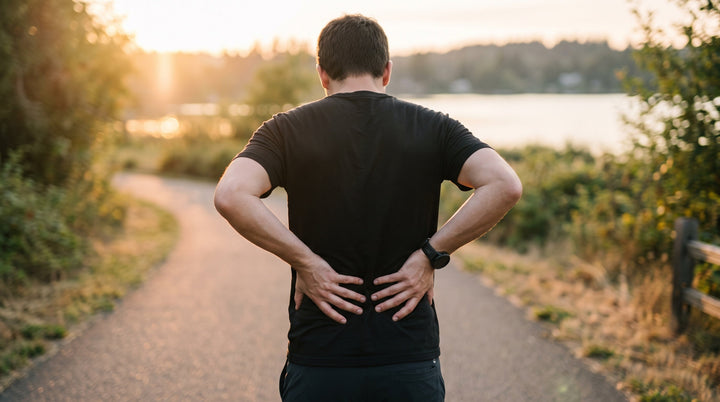

Pronation is a natural movement where the foot rolls slightly inward when you walk or run. It helps absorb shock and adapt your stride to the surface. However, when the inward roll becomes greater than what the body can handle – known as overpronation – the load can change throughout the kinetic chain. In some cases, this can contribute to pain in the knee, hip, or lower back.
If you want to read more about symptoms and underlying causes, we recommend our Injury Guide on pronation.
What is overpronation?
Overpronation means that the foot's inward roll is greater or more prolonged than normal during a stride.
This can be due to:
- Fallen arches
- Soft foot structure
- Muscle weakness in the foot or lower leg
- Shoes without sufficient support
When the foot rolls inward, the lower leg also rotates, which can affect the position of the knee and hip.
How can the knee be affected?
When the foot rolls inward, the rotation in the lower leg often increases. This can lead to:
- Increased load on the inside of the knee
- Changed direction of the knee under load
- Irritation around the kneecap's movement path
In some people, this can contribute to conditions such as runner's knee or diffuse anterior knee pain. This does not mean that pronation is always the cause, but it can be a contributing factor in combination with load and training volume.
How can the back be affected?
The foot is the body's point of contact with the ground. If it moves strongly inward, it can affect:
- Lower leg rotation
- Knee position
- Hip position
- Pelvis movement pattern
A changed pelvic position can, in some cases, increase the load on the lower back, especially during prolonged standing or running.
Does this mean that all pronation must be corrected?
No. Pronation is a normal and necessary movement. The goal is not to "lock" the foot, but to provide sufficient support if the inward roll is so great that it contributes to discomfort.
It is also important to consider the whole picture:
- Muscle strength in the hips and glutes
- Ankle mobility
- Training volume
- Shoe choice
Often, it's the combination that determines.
Can insoles help?
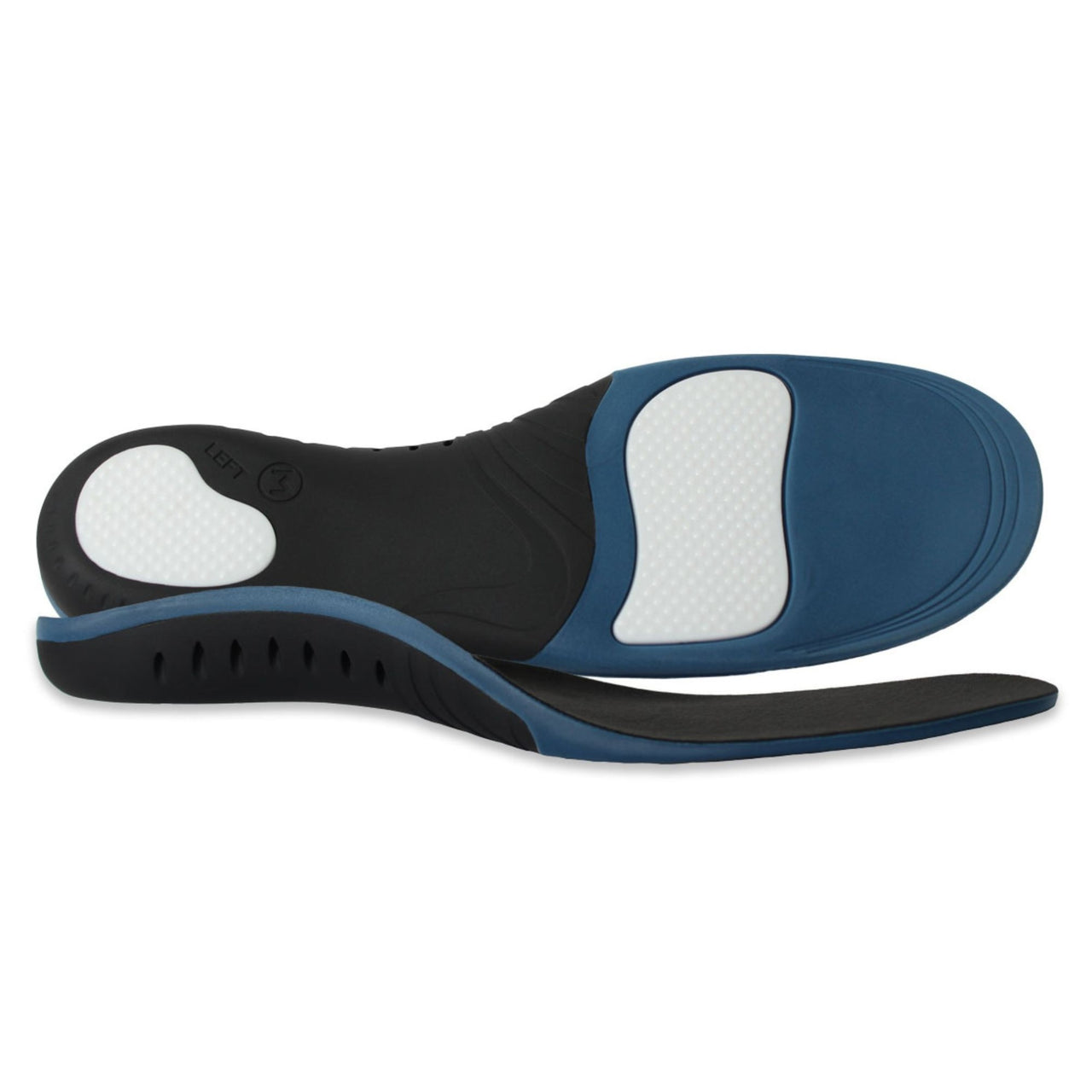
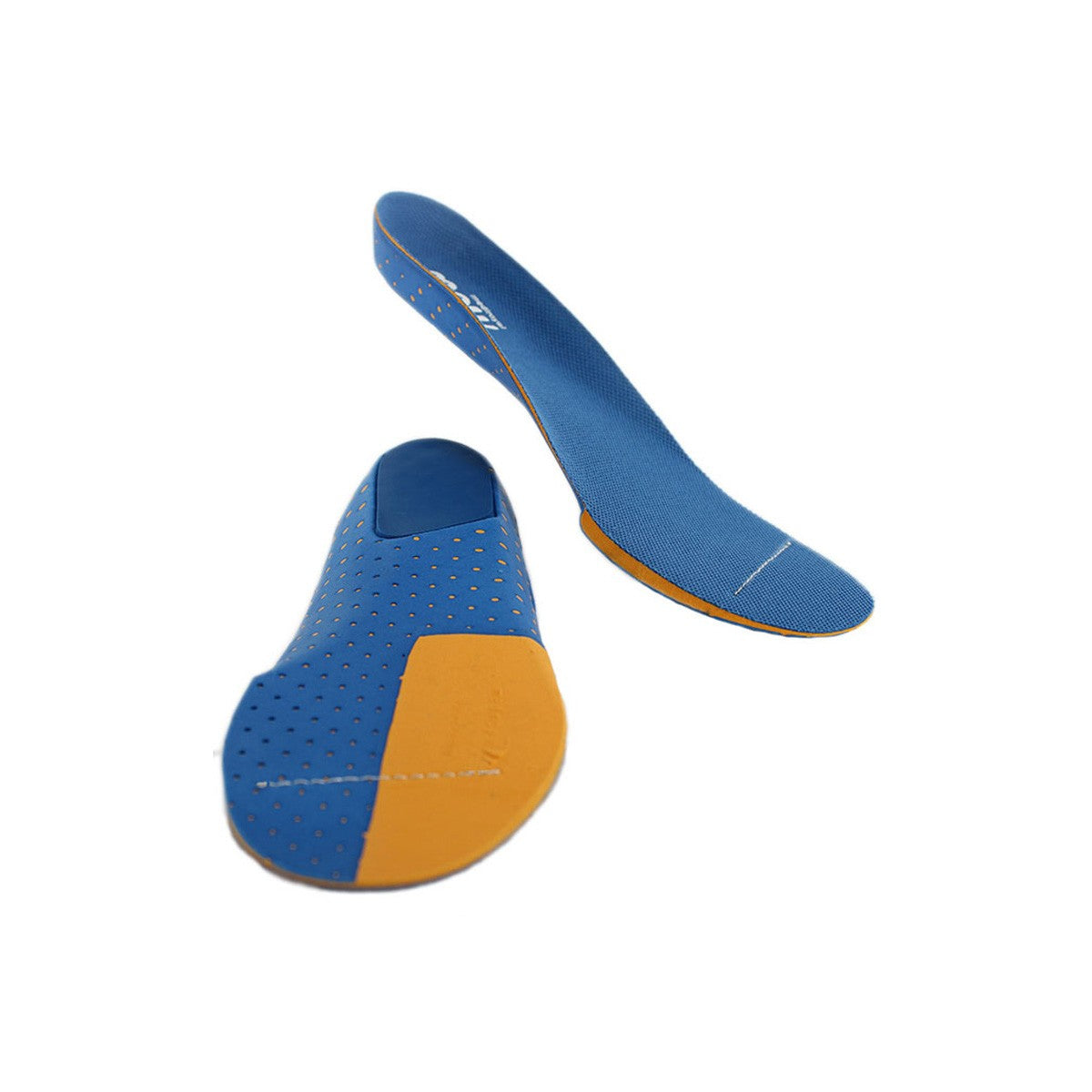
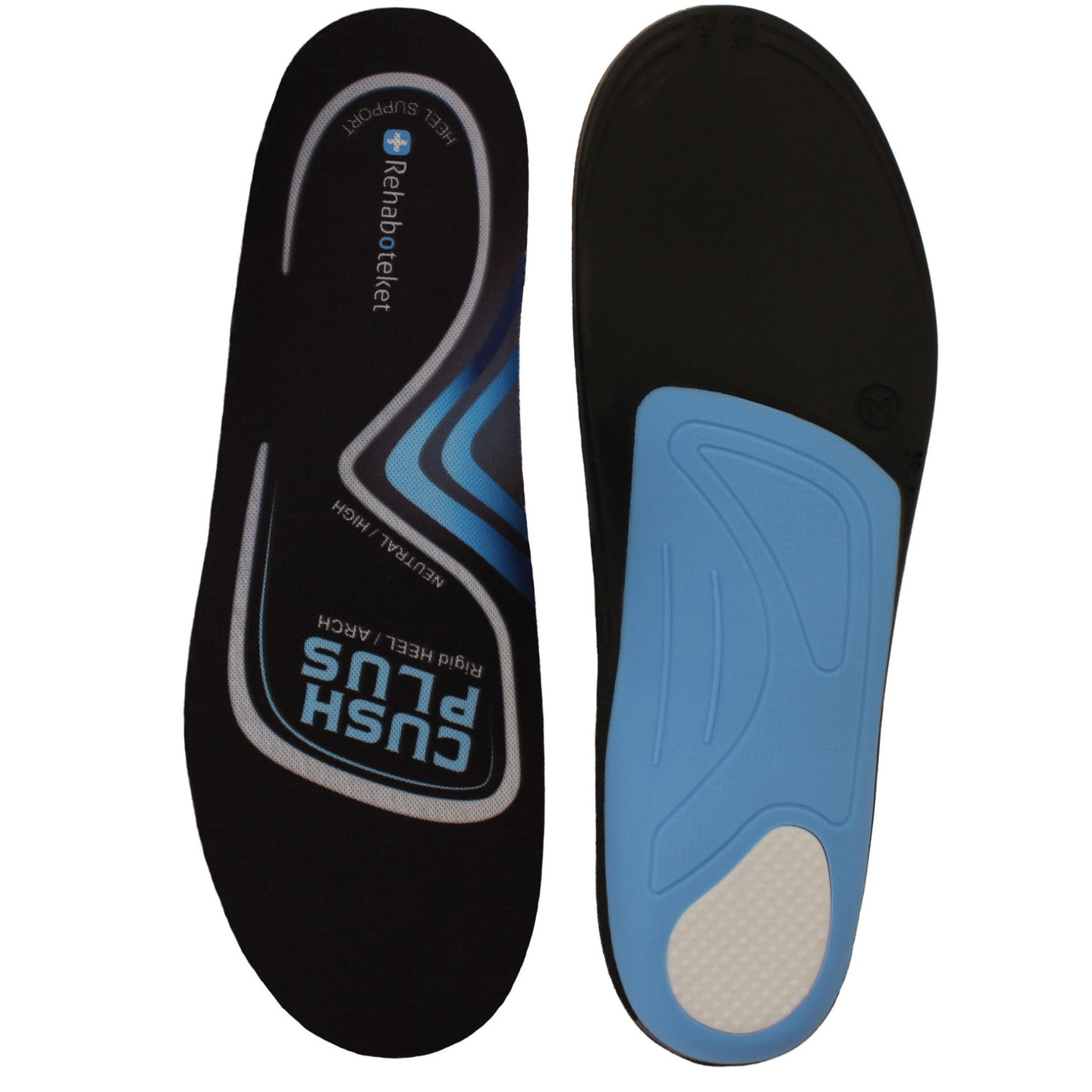
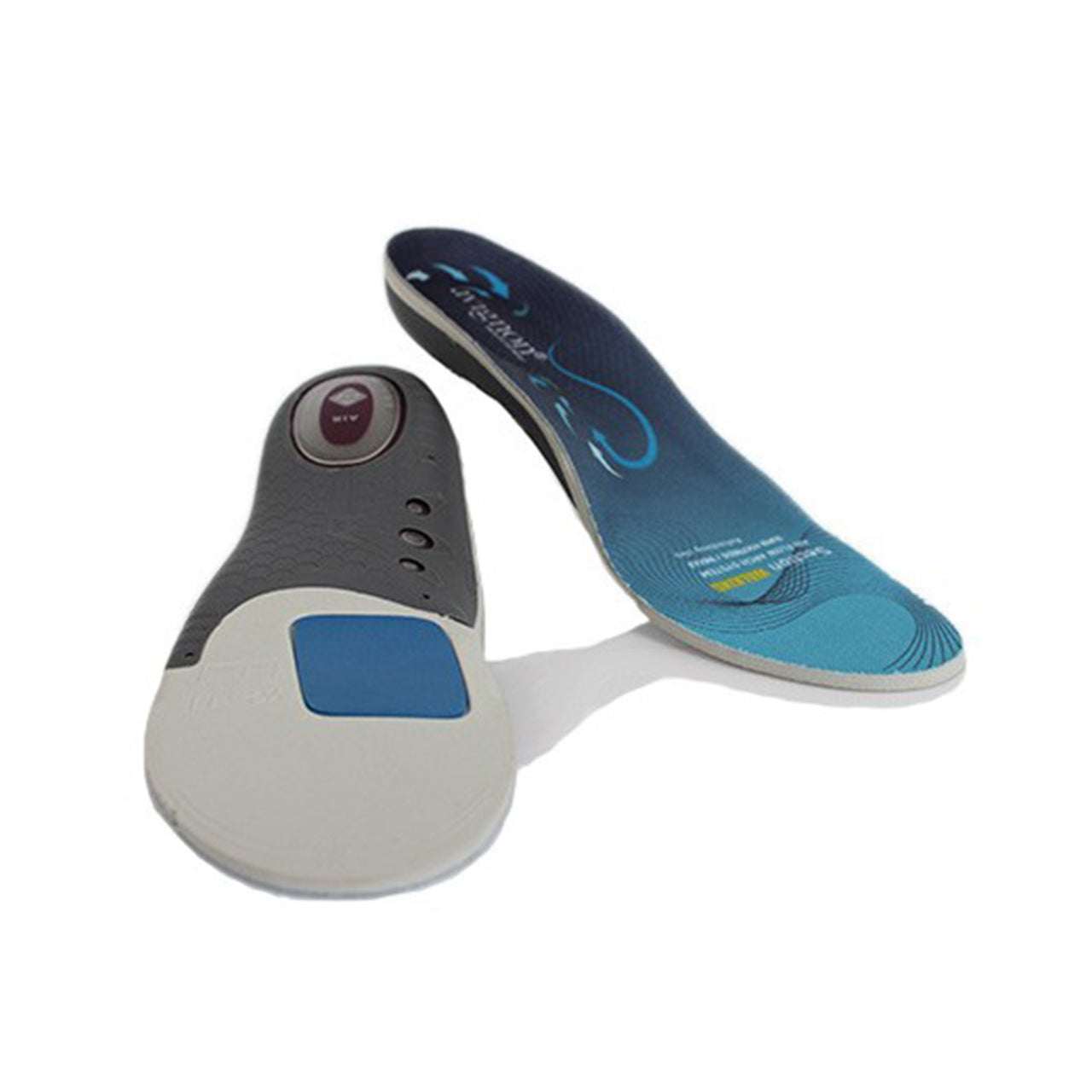
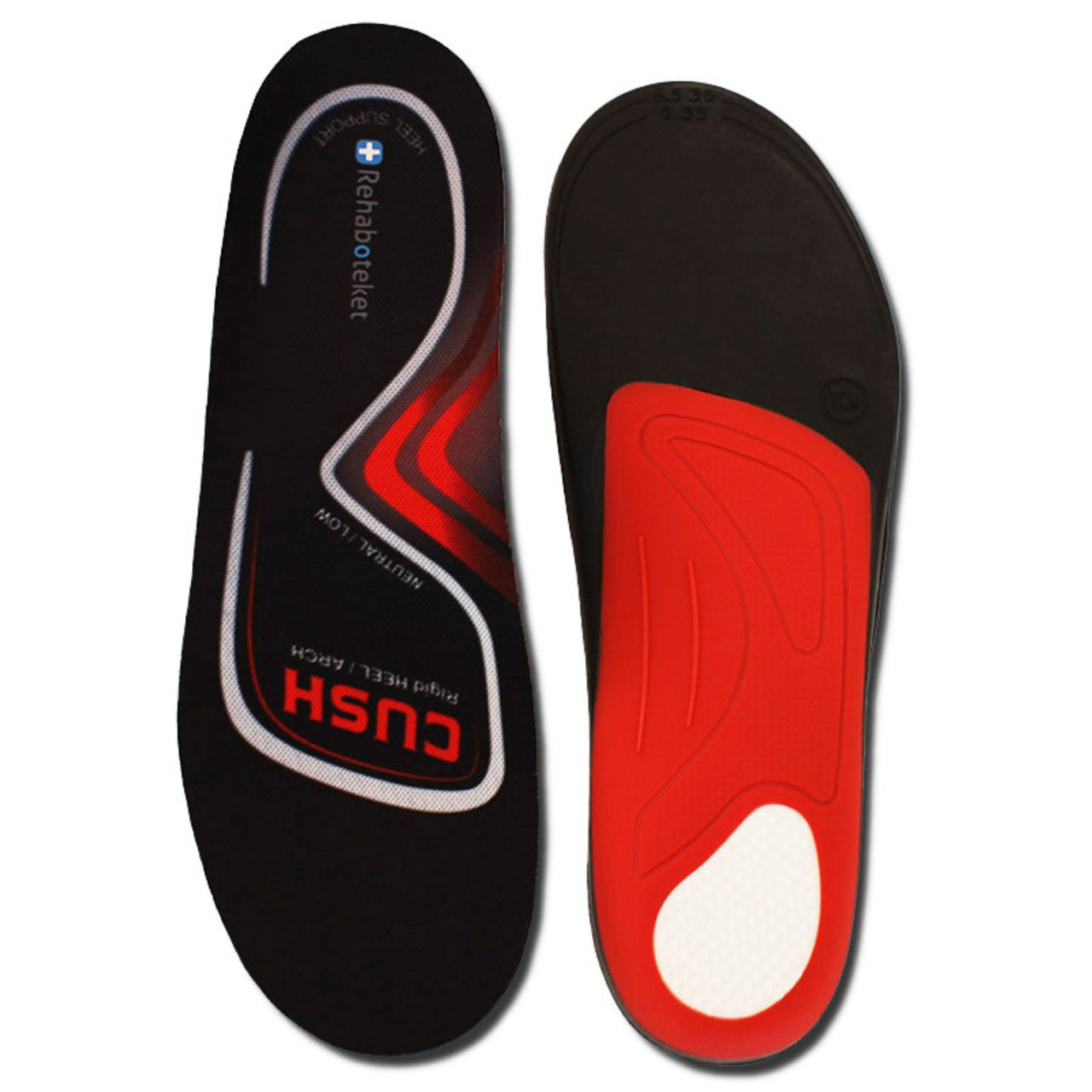
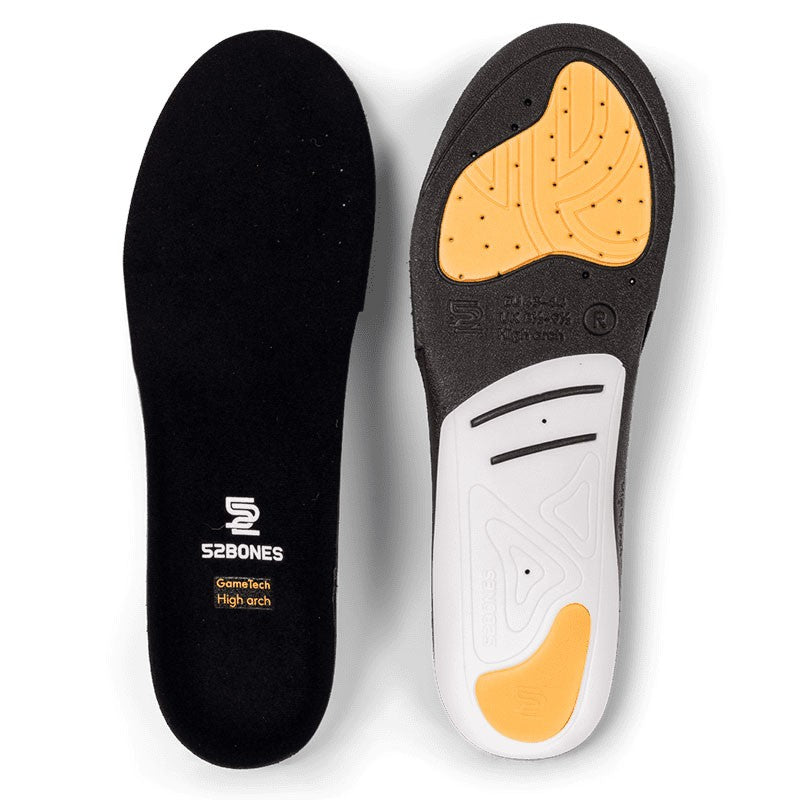
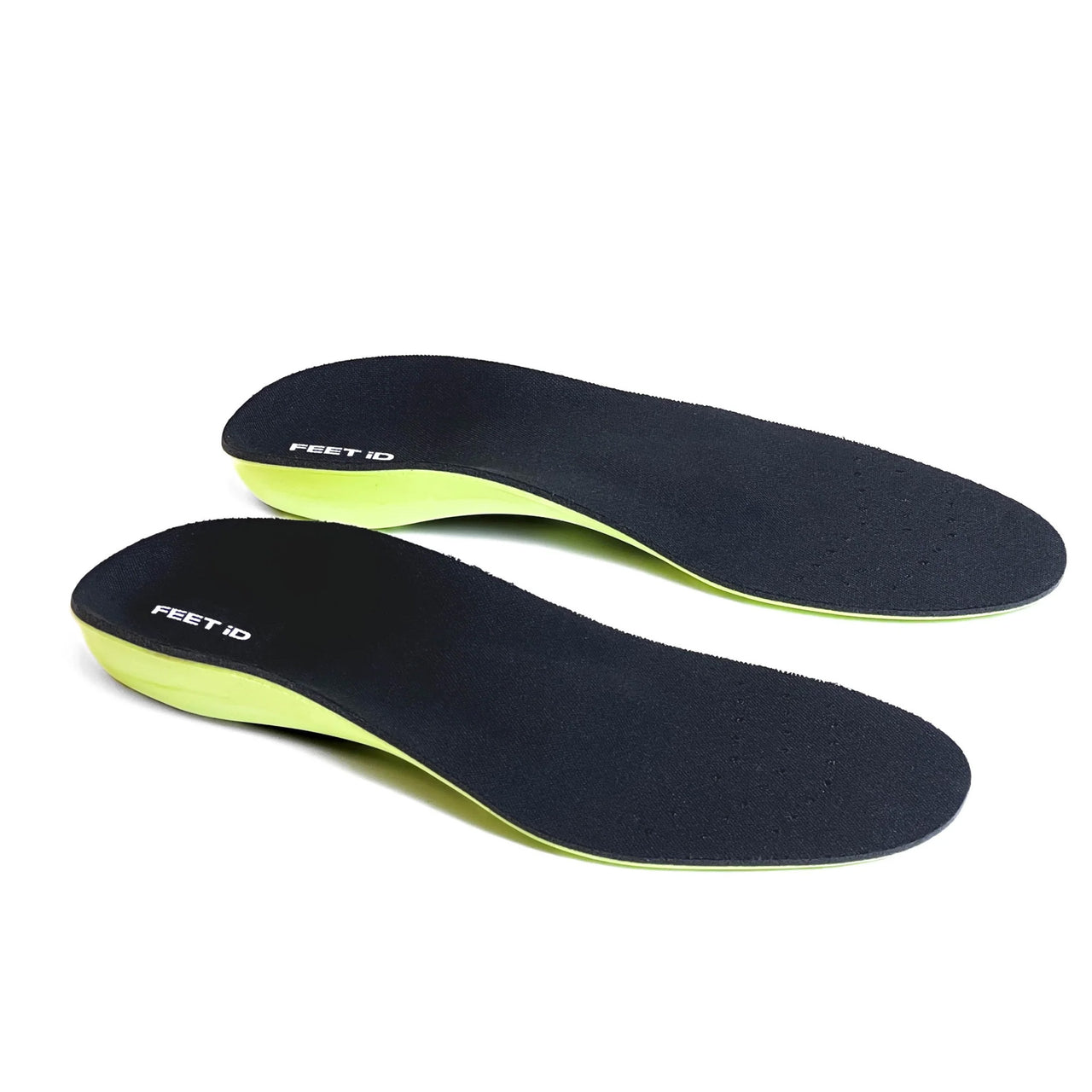
Insoles with:
- clear but flexible arch support
- deep heel cup
- moderate medial reinforcement
... can help center the heel and reduce the most pronounced inward roll. This can lead to a more even load up through the leg and reduce irritation in the knee or back – especially during longer walks or runs.
However, insoles should be combined with exercises that strengthen the foot, calf, and hip for the best long-term effect.
How do you know if pronation is affecting you?
A simple test is to:
- Film yourself from behind when walking or running
- Look at the position of the heel
- Observe if the knee clearly falls inward
If you also have recurring knee or back problems, it may be worth trying support and evaluating the difference.
Summary
Overpronation can, in some cases, contribute to knee and back pain by affecting the load line in the leg. However, it is rarely the only cause. Proper support, adapted training, and thoughtful shoe choice are often more effective than merely trying to "correct" the foot.
Do you want to improve your foot support?
If you want to understand more about symptoms, causes, treatment, and when it may be wise to seek care, we recommend our Injury Guide on overpronation.
If you instead want help choosing the right product based on your problems, you are always welcome to contact our physiotherapist for personal advice.