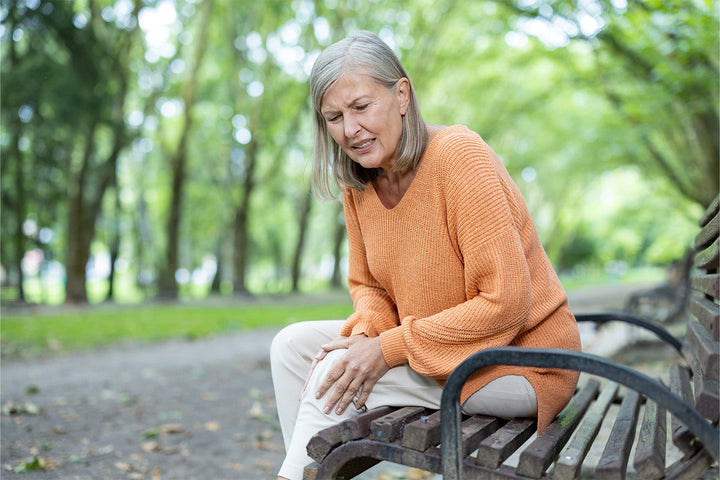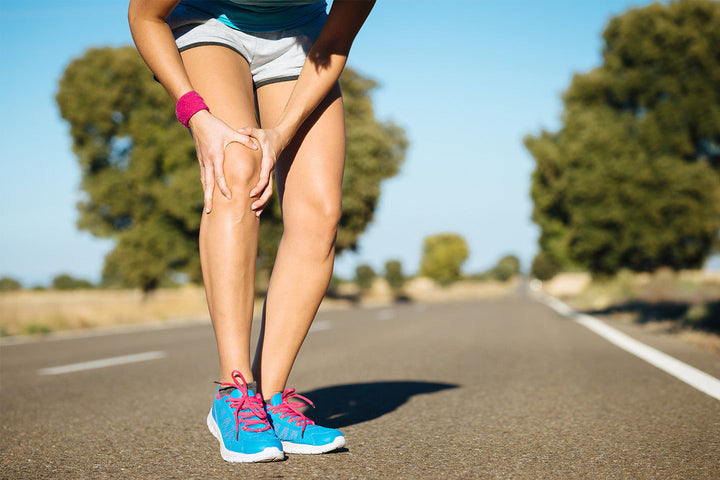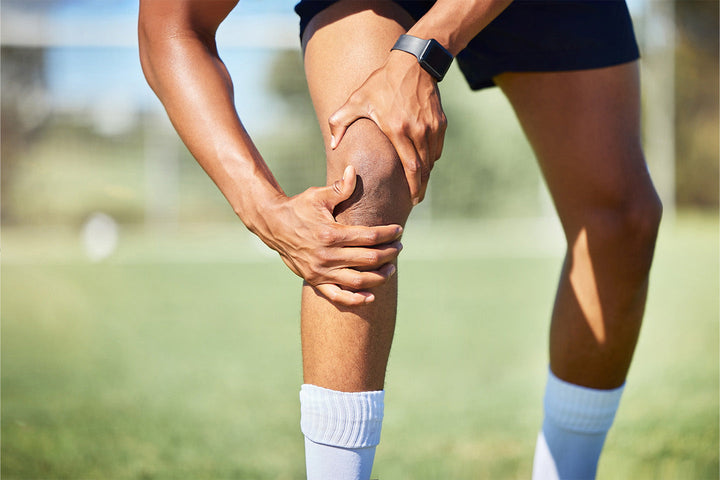

Knee osteoarthritis, sometimes referred to as joint degeneration, is a common cause of pain and stiffness in the knee joint. The condition involves the gradual breakdown of the articular cartilage, which can lead to pain during activity and at rest, swelling, and reduced mobility. The right support products and a tailored exercise programme can help slow the progression and improve quality of life.
What is knee osteoarthritis?
The knee is one of the body's most heavily loaded joints and is subjected to significant stress every day. In osteoarthritis, the joint cartilage gradually changes and loses its smooth, protective function. As the cartilage wears away, the risk of bone-on-bone contact increases, causing pain and reduced mobility. Knee osteoarthritis often also affects joint stability and may cause a feeling of instability during weight-bearing activities.
Common causes & risk factors
Knee osteoarthritis is a degenerative disease that is most often associated with ageing. The risk increases after the age of 40 and is more common in women, especially after menopause. Previous knee injuries, especially sports injuries that have affected the cartilage, can accelerate the development. Being overweight puts additional strain on the knee joint and increases the risk of osteoarthritis. Heredity also plays a role.
Symptoms
- Knee pain during activity and sometimes at rest
- Swelling and increased warmth in the joint
- Stiffness in the morning or after prolonged sitting
- Reduced range of motion in the knee
- A feeling of instability or reduced control of the knee
When should you seek medical attention?
In the event of long-term knee pain that affects everyday life or in the event of clear swelling and stiffness, you should contact healthcare for assessment.
Recommended protection & support
A key part of osteoarthritis treatment is staying active and strengthening the muscles around the knee. A combination of physical activity, an individual exercise programme prescribed by a physiotherapist, and in some cases weight loss, often provides the best results.
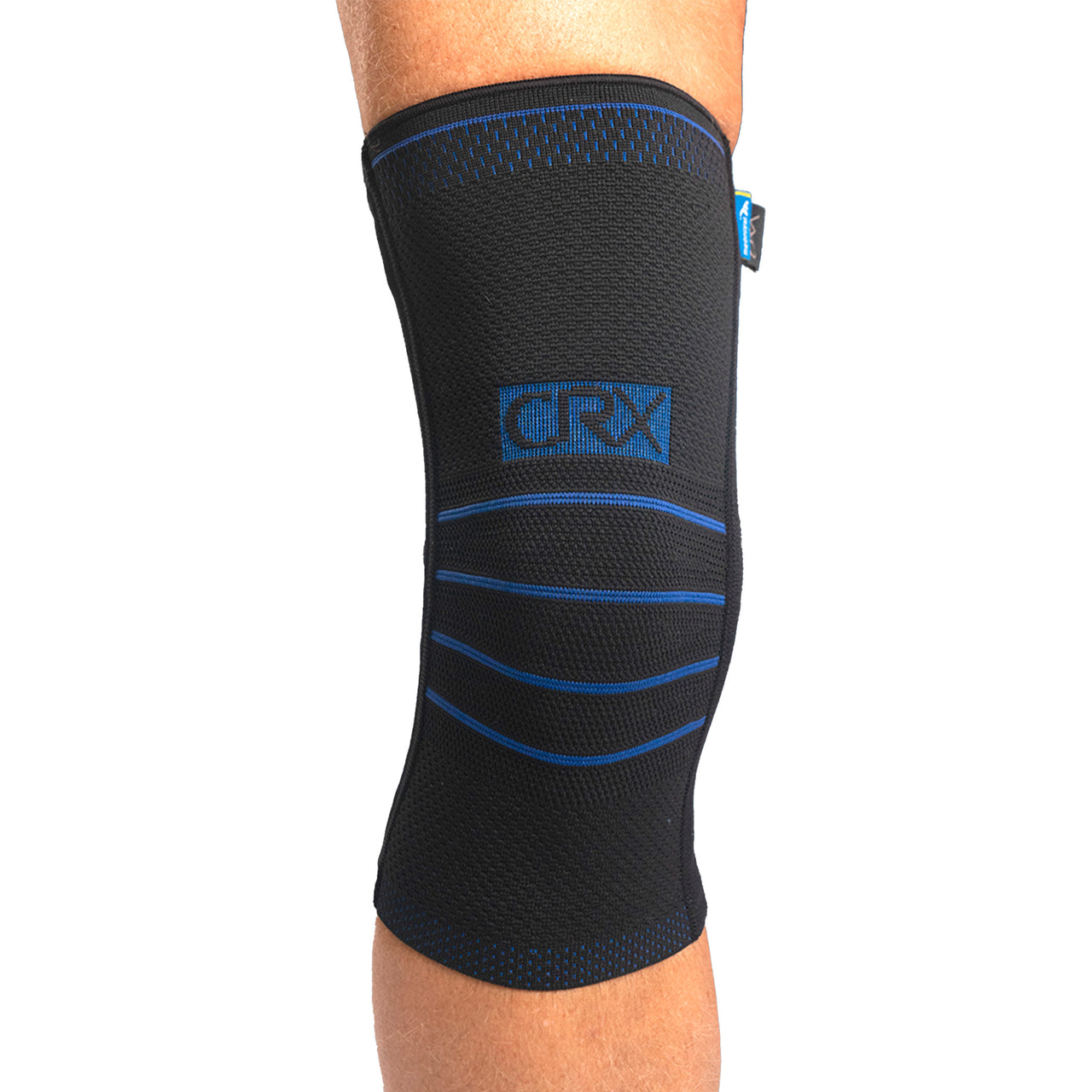
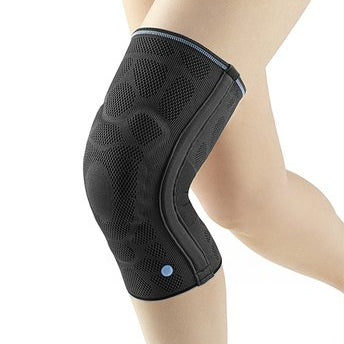
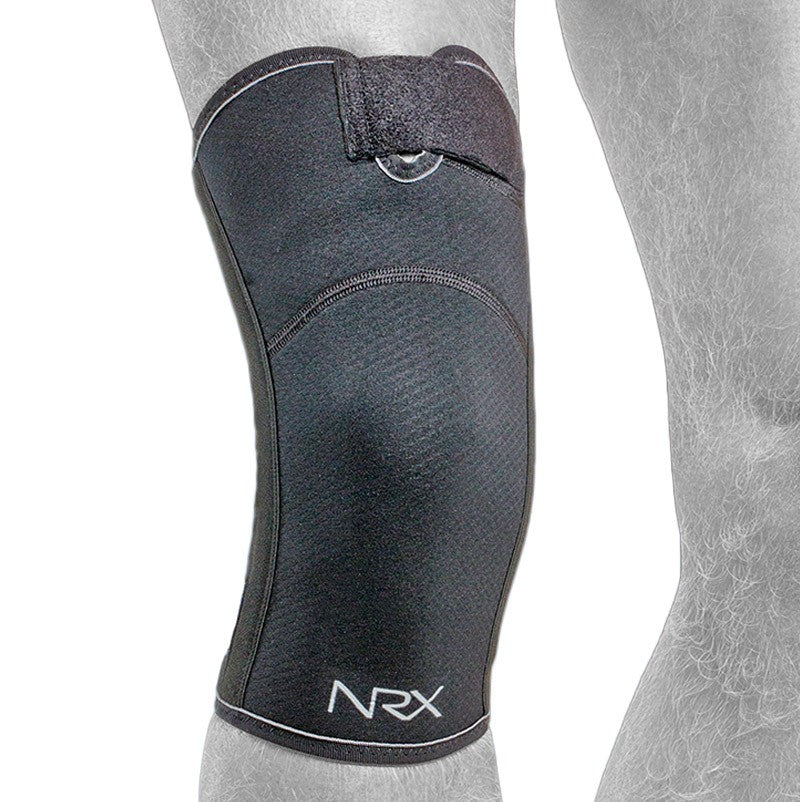
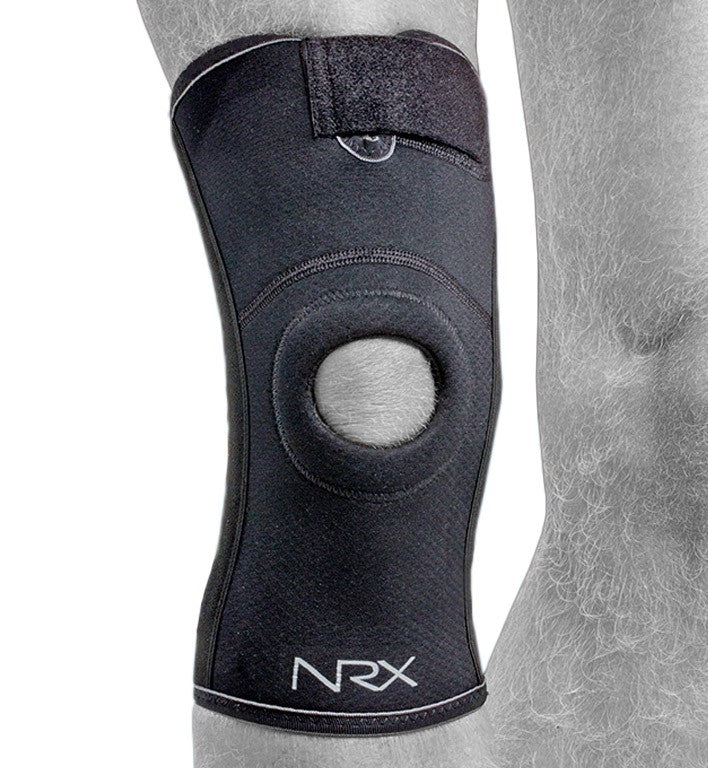
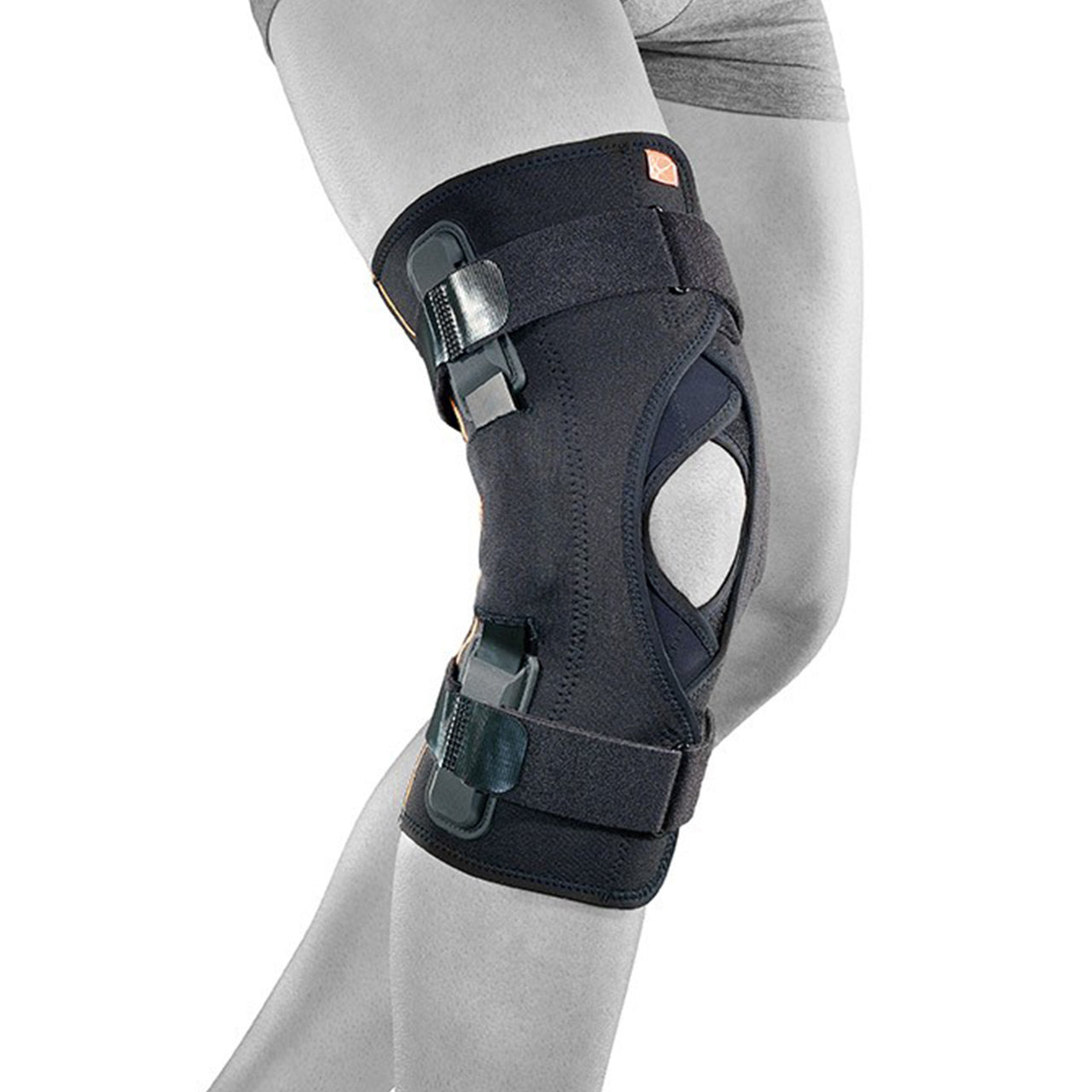
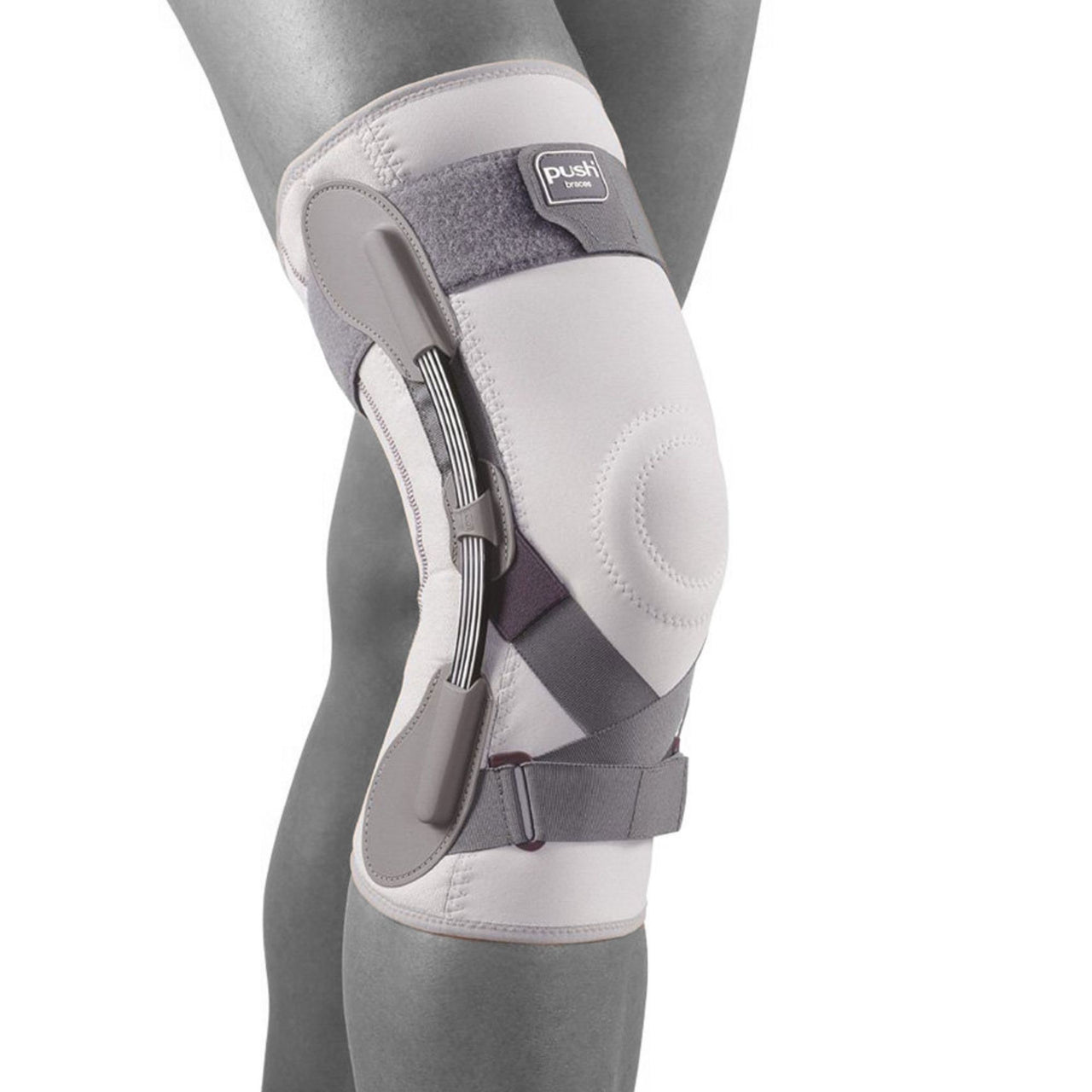
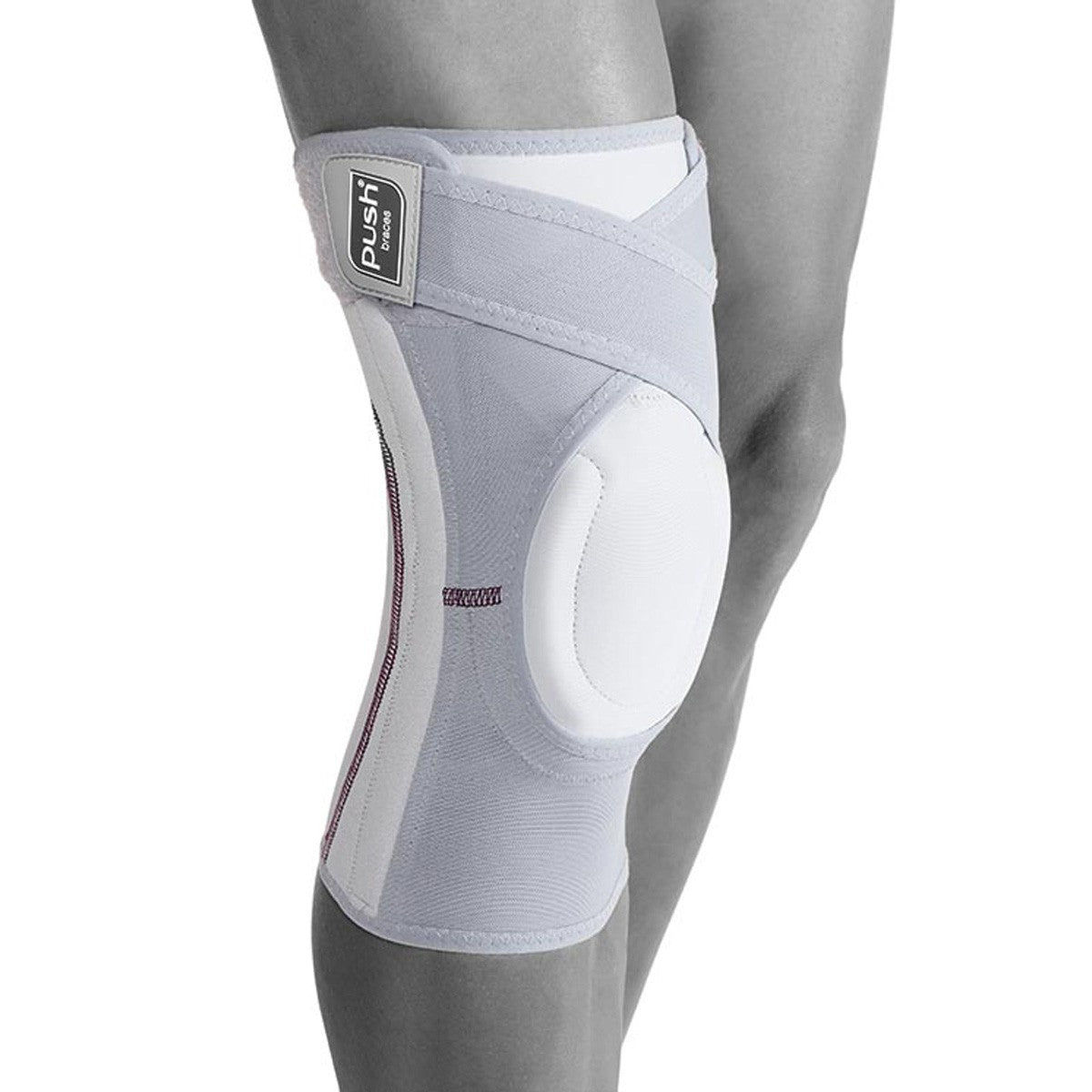
A knee support can help reduce swelling and pain while increasing confidence during everyday activities and exercise. A knee support designed for osteoarthritis should provide compression around the knee joint and ideally be made from a breathable material for comfortable daily wear. If additional support and unloading are needed, the knee support may include side hinges.
View all knee supports that can help relieve symptoms of knee osteoarthritis
Related injuries
In the Injury Guide Knee, you can read more about common knee injuries and conditions. You can also go to the Injury Guide main page to read about other injuries and symptoms.