The heel pad under the heel bone normally acts as one of the body's most effective shock absorbers. When the connective tissue weakens, the fat pad can be pushed outward and lose its shock-absorbing function, leading to pain and discomfort when weight is applied. The condition, often called fat pad syndrome, can make it difficult to walk or stand for long periods.
What is a worn-out heel cushion?
A flattened heel cushion is a condition where the fat pad under the heel loses its shock-absorbing function. When the tissue is squeezed out to the sides, protection against shocks decreases, and the load on the heel bone increases.
Normally, the fat tissue is held in place by small connective tissue compartments that stabilize the cushion under the heel bone. When these structures weaken, the fat pad can be pushed out to the sides instead of lying protectively under the heel. The result is poorer shock absorption and increased stress directly on the heel bone.
Physiotherapist's tips for a bruised heel pad
""
Ida
Licensed Physiotherapist · Rehaboteket
Symptoms
- Heel pain when walking and bearing weight
- Tenderness around the edges of the heel
- Hardening along the outer edge of the heel
- Angular or wider heel shape
- The heel pad feels thin, and the heel bone is clearly palpable under pressure.
Symptoms of an atrophied heel pad often worsen with activities involving repetitive impact or prolonged stress on the heel.
When does an atrophied heel pad hurt the most?
Pain often occurs in situations where the heel is exposed to repeated impacts or pressure.
When walking on hard surfaces
Asphalt, concrete, and other hard surfaces increase the load on the heel when shock absorption is reduced.
During longer walks or standing work
When the heel is loaded for an extended period, the pain can gradually increase.
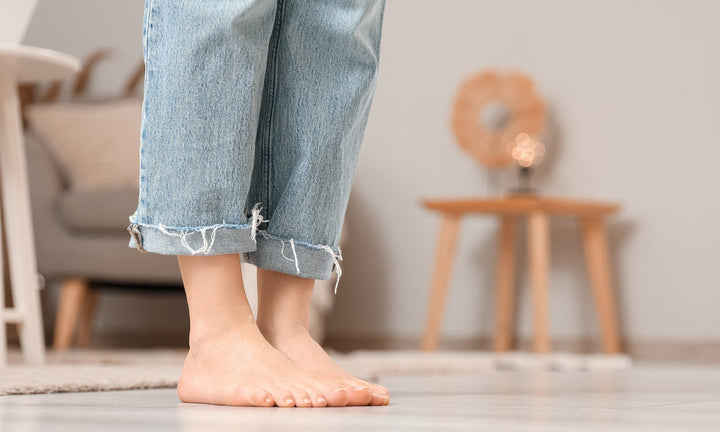
When walking barefoot
Without shoes or shock-absorbing material, the heel bone is exposed to direct pressure against the ground.
When using thin or hard shoes
Shoes without sufficient shock absorption can make the problems more noticeable.
Common Causes & Risk Factors
An atrophied heel pad is often caused by prolonged stress on hard surfaces, especially in shoes with poor shock absorption. Repeated impacts from, for example, running or work involving a lot of walking and standing can contribute to the gradual weakening of the fat pad.
Other factors that can increase the risk include rapid weight gain, walking barefoot on hard surfaces, and natural age-related changes in the connective tissue that cause the fat pad to lose its elasticity. With increasing age, the tissue often becomes thinner, which can reduce shock absorption.
When should you seek medical care?
For persistent heel pain that does not improve despite rest, better shoes, or shock-absorbing aids, you should contact healthcare for an assessment. The same applies if the pain is severe or if you have difficulty bearing weight on your foot normally.
Recommended Protections & Supports
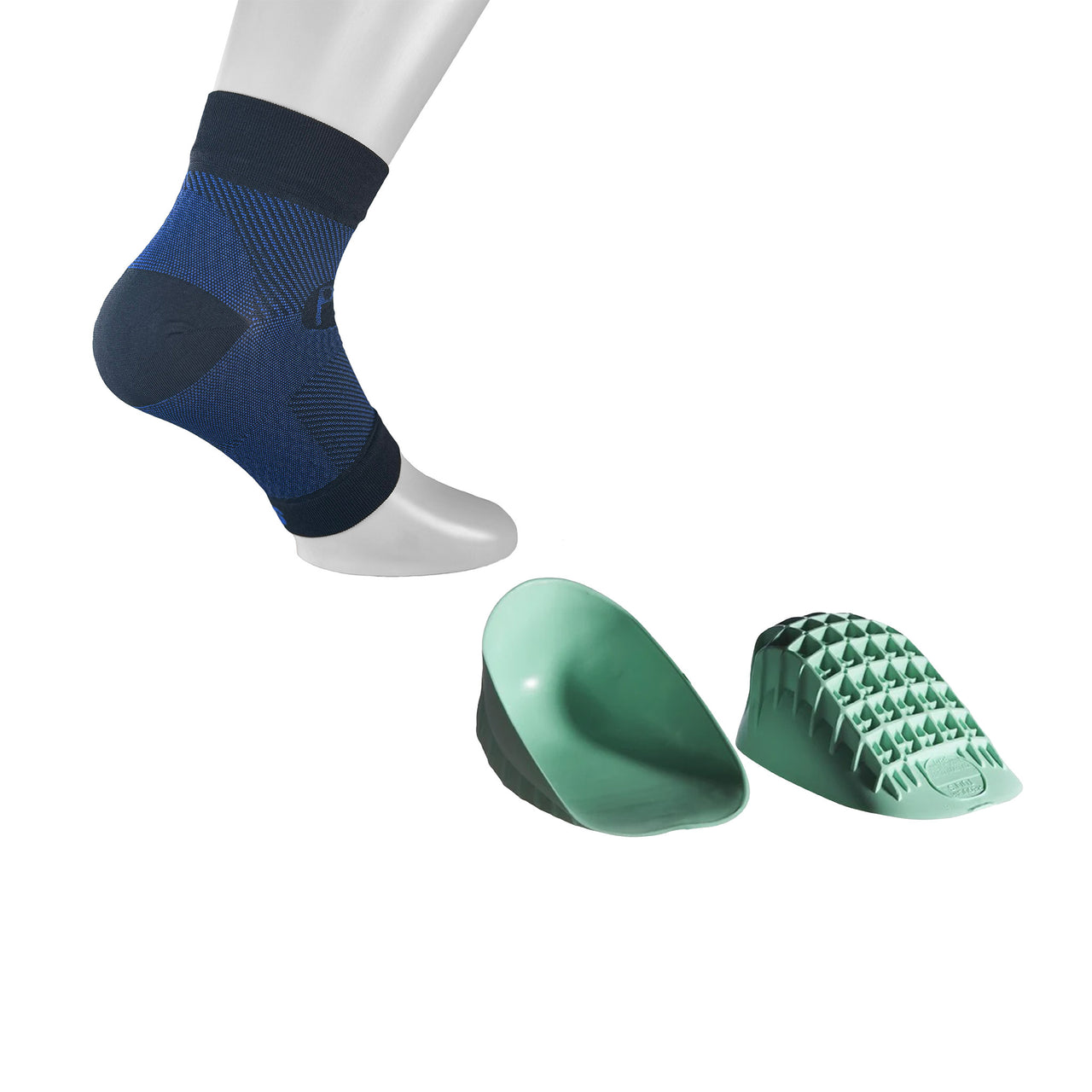
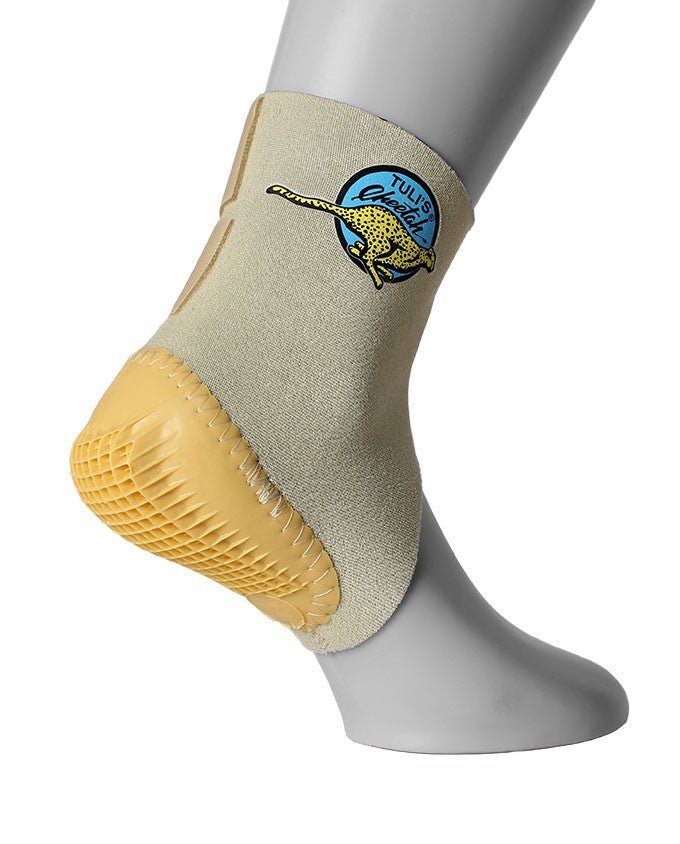
For an atrophied heel pad, the right protection and shock absorption can contribute to reduced pain and increased comfort in everyday life. A heel cup is often the most effective aid as it combines shock absorption and stabilization.
The heel cup gathers the fat pad under the heel bone and prevents the tissue from being pressed outwards to the sides. This restores more natural shock absorption and reduces the load on the outer edge of the heel. Anatomically designed heel cups made of durable and shock-absorbing materials can therefore provide clear relief and make it easier to walk and stand without pain.
See all braces and supports that can relieve an atrophied heel pad
Related Injuries
For more knowledge about the foot and heel, you can read on in the Foot & Heel Injury Guide. You can also go to the Injury Guide's main page to read about other injuries and symptoms.
The Injury Guide – quick guidance for common injuries
In our Injury Guide, you will receive clear and easy-to-understand information about common injuries, how they occur, and what symptoms usually occur. You will also receive recommendations on which protection and aids can relieve your discomfort and help you further in your rehabilitation. All information is based on expert knowledge from our licensed physiotherapist.
Find the right braces for your needs
There are several ways to find the right product on our website. For a more personalized selection, you can use our filters and sort by injury, body part, or sport. You can also get help from our AI assistant Eir, who is trained on all the content on our website and can help you with product recommendations, fit questions, and order-related concerns – 24/7. If you would prefer to speak directly with our licensed physiotherapist you can contact us via email or phone for personalized advice and support in selecting your product.