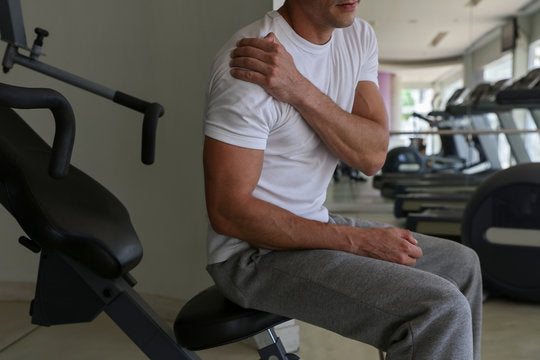

Shoulder dislocation, also known as a dislocated shoulder, is a common sports injury that causes extreme pain and instability. The injury often occurs during contact sports, falls, or heavy strain on the shoulder joint and always requires medical evaluation.
What is shoulder dislocation?
The shoulder is the most mobile joint in the body with a very large range of motion. A dislocation means that the head of the upper arm is completely pushed out of the socket of the shoulder blade and becomes stuck in a dislocated position. A subluxation is a partial dislocation where the joint returns on its own. Both conditions involve severe pain and an increased risk of instability in the shoulder joint in the future.
Common causes & risk factors
The most common form of shoulder dislocation occurs forward-downward and is often caused by twisting force when the arm is extended or lifted above the shoulder, for example during throwing events such as handball or in a fall. Backward dislocation is less common but does occur. The injury often leads to stretching or damage to ligaments and stabilizing structures, which increases the risk of recurrent dislocations.
Symptoms
- Intense pain in the shoulder immediately at the time of injury
- Visible misalignment or “dislocated” shoulder
- Severely reduced mobility in the shoulder
- Often swelling and muscle cramps in the area
- Feeling of instability even after reduction
When should you seek medical attention?
If you suspect a shoulder dislocation or subluxation, you should always seek medical attention immediately. It is important to ensure that no blood vessels or nerves have been damaged in connection with the injury.
Recommended protection & support
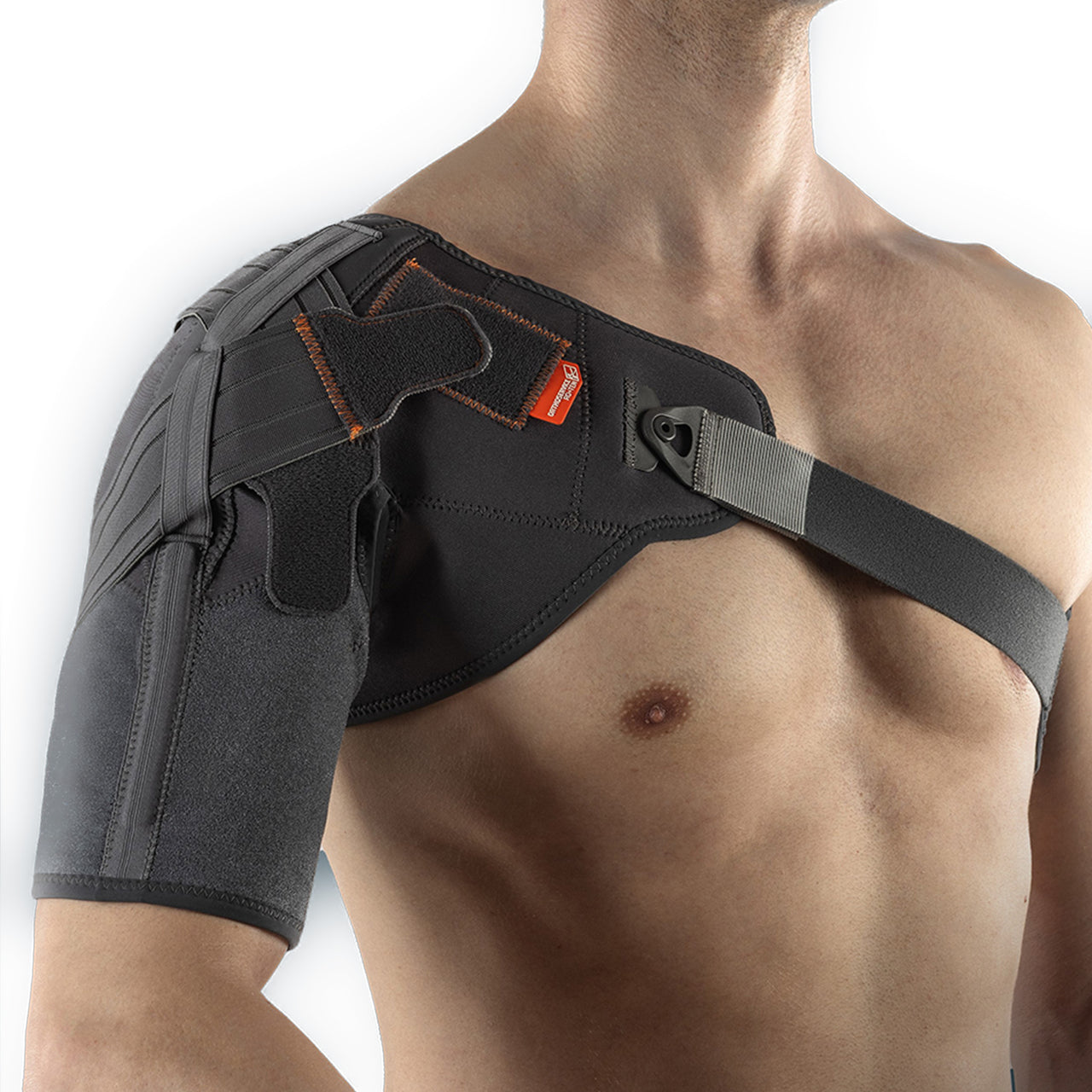
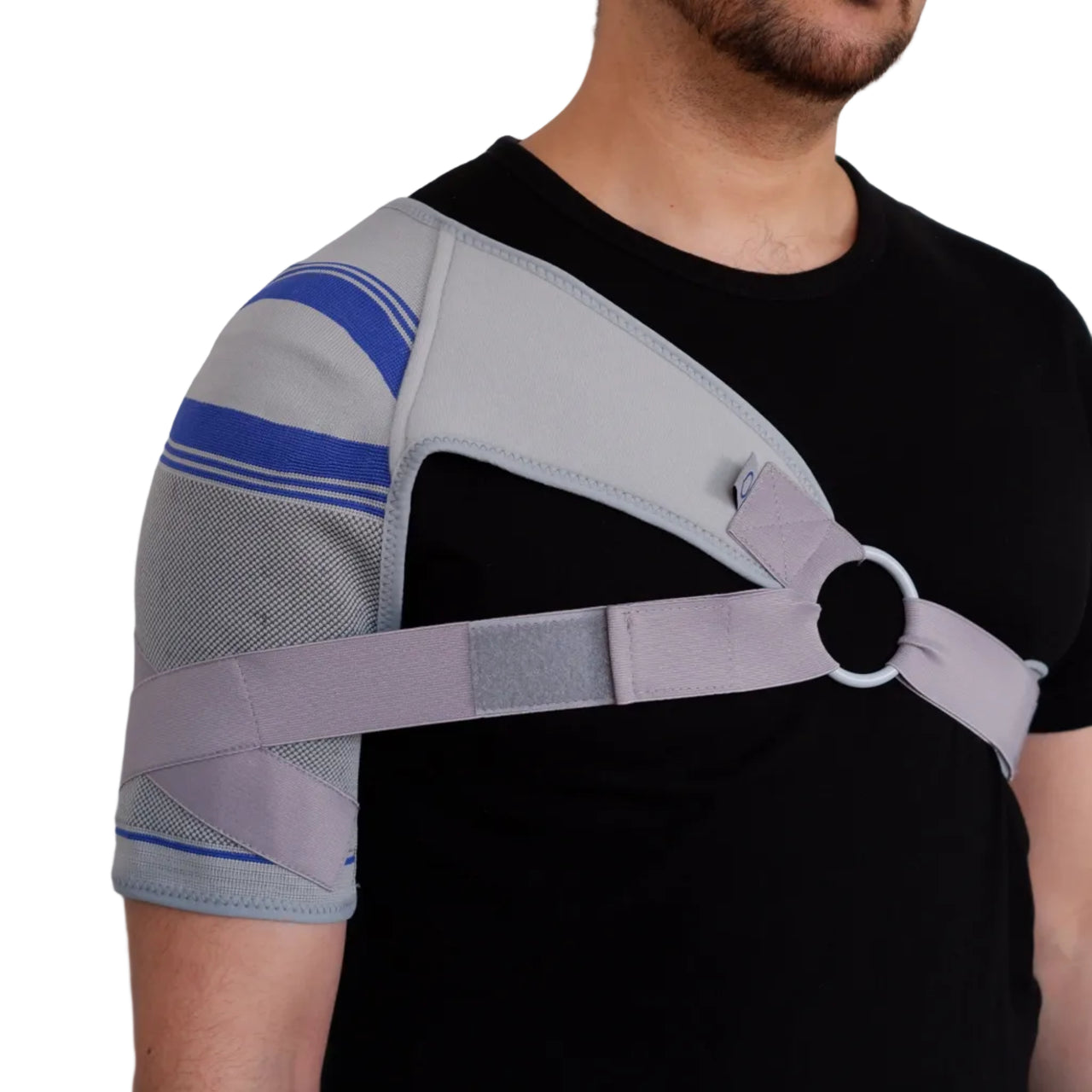
After the injury, the arm is usually supported with a specially designed sling, known as a shoulder immobilizer, for a few weeks. Rehabilitation is often carried out with a physiotherapist and an individual exercise programme. A stabilising shoulder brace can provide support, compression and controlled movement to reduce the risk of further shoulder dislocations. These braces help avoid unstable positions and contribute to a safer return to activity.
See all supports and braces that can provide relief for shoulder dislocation
Related injuries
For more information about shoulder and neck problems, you can read more in the Shoulder & Neck Injury Guide, and you can also go to the Injury Guide's main page to read about other injuries and symptoms.