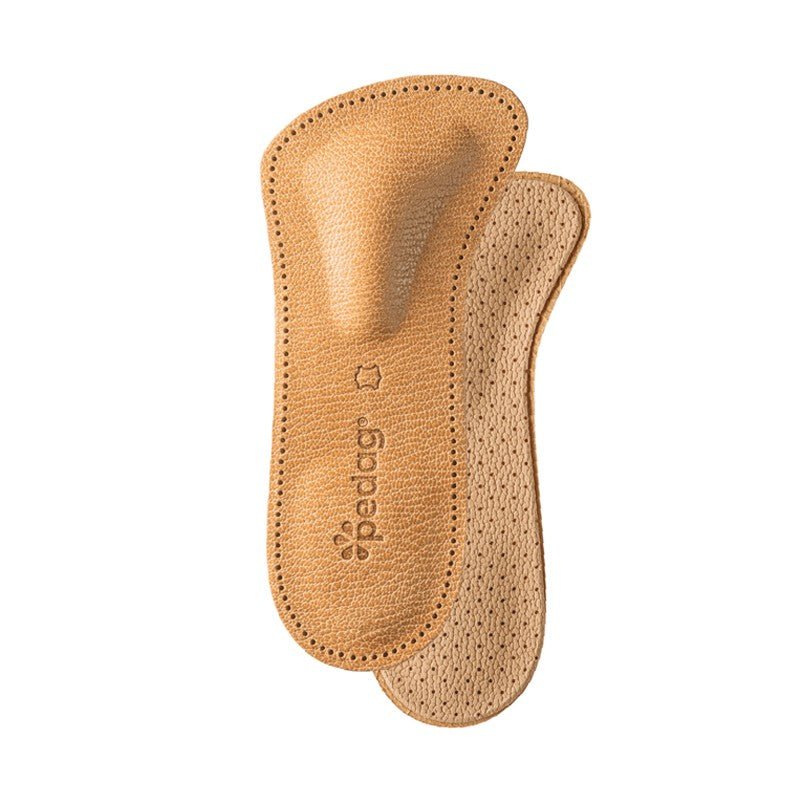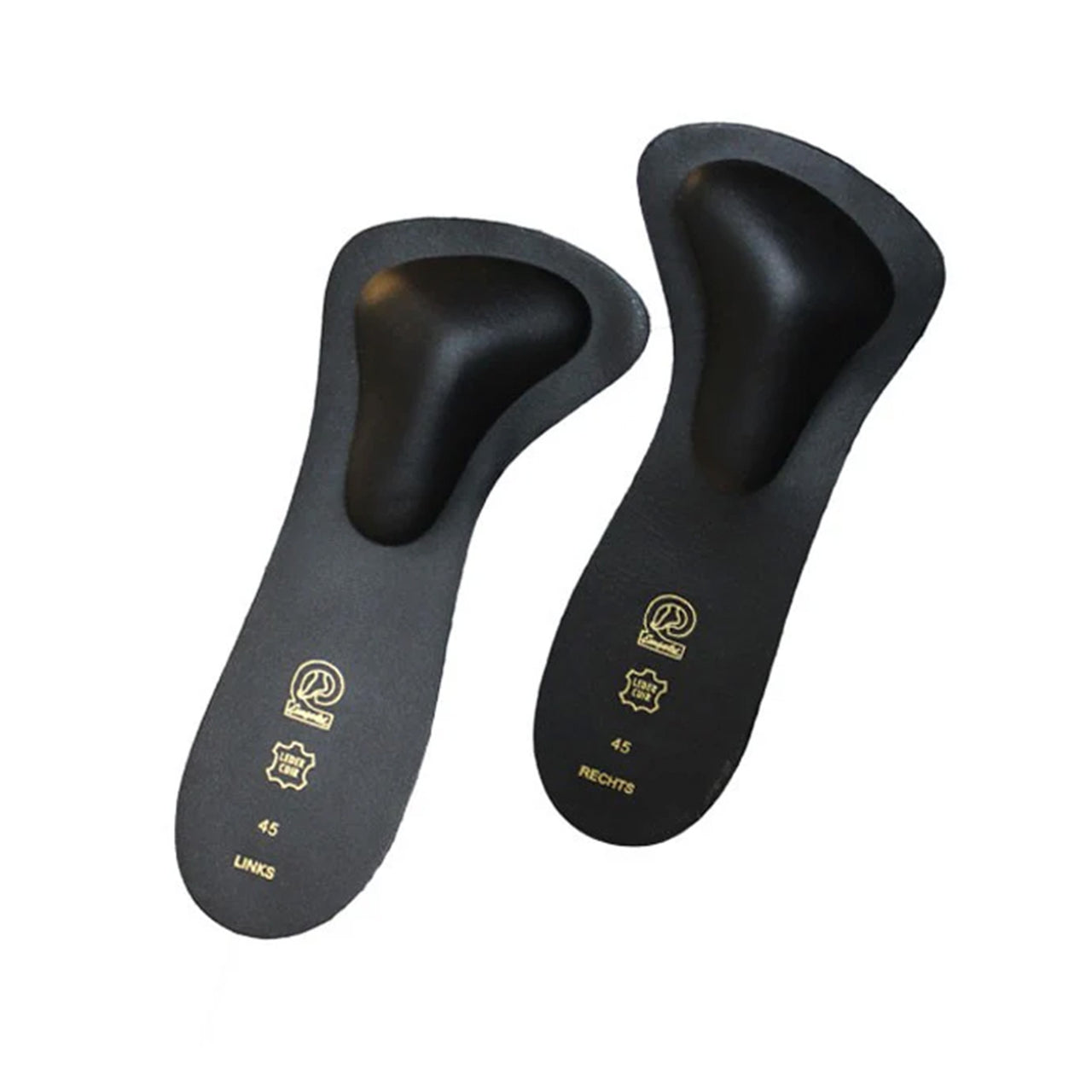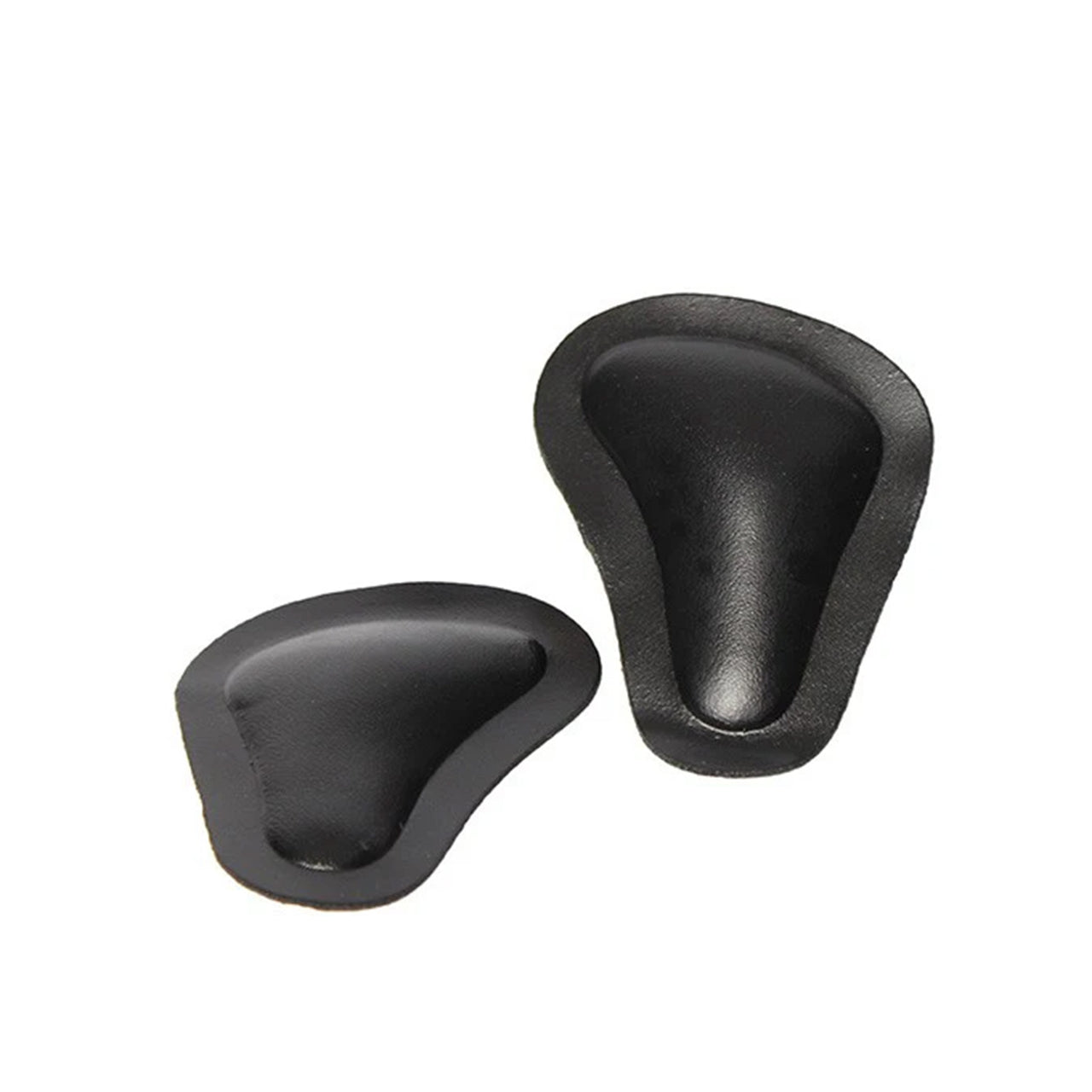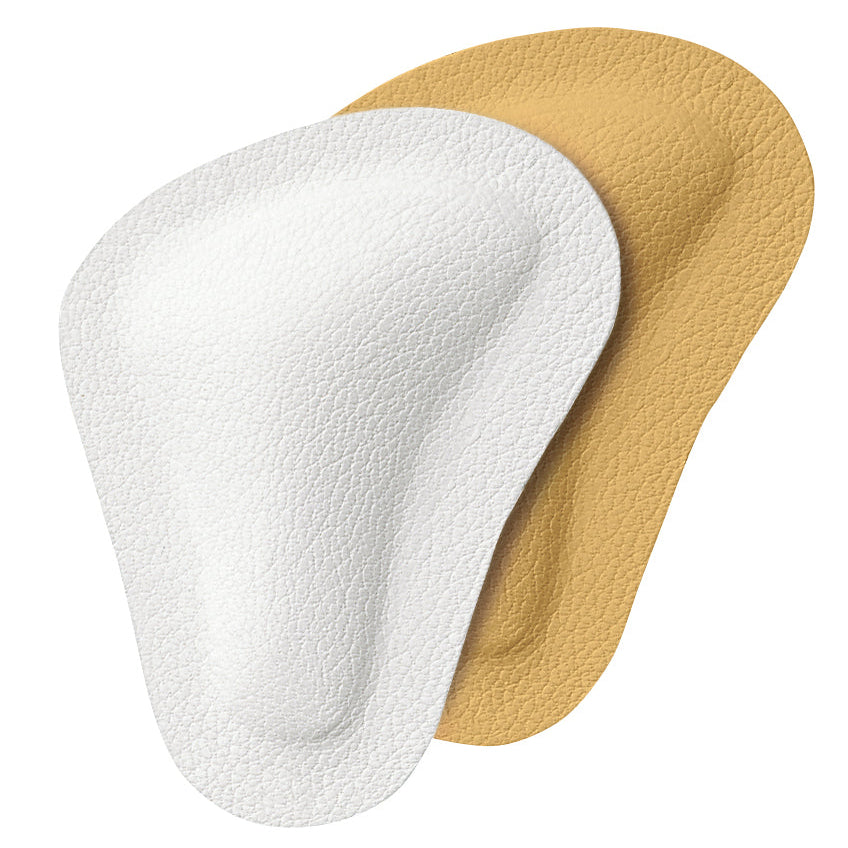

When a nerve in the forefoot is compressed between the toe bones, most commonly between the third and fourth toes, it's called Morton's neuroma. You might experience burning or stabbing pain and sometimes numbness radiating into the toes. Orthotic insoles and so-called metatarsal pads are a common part of non-surgical treatment, as they can reduce pressure on the irritated nerve. For those who have recently recognized these symptoms, trying insoles early is often worthwhile.
If you wish to read more about symptoms and underlying causes, we recommend our Injury Guide on Morton's Neuroma.
Why insoles can relieve pain
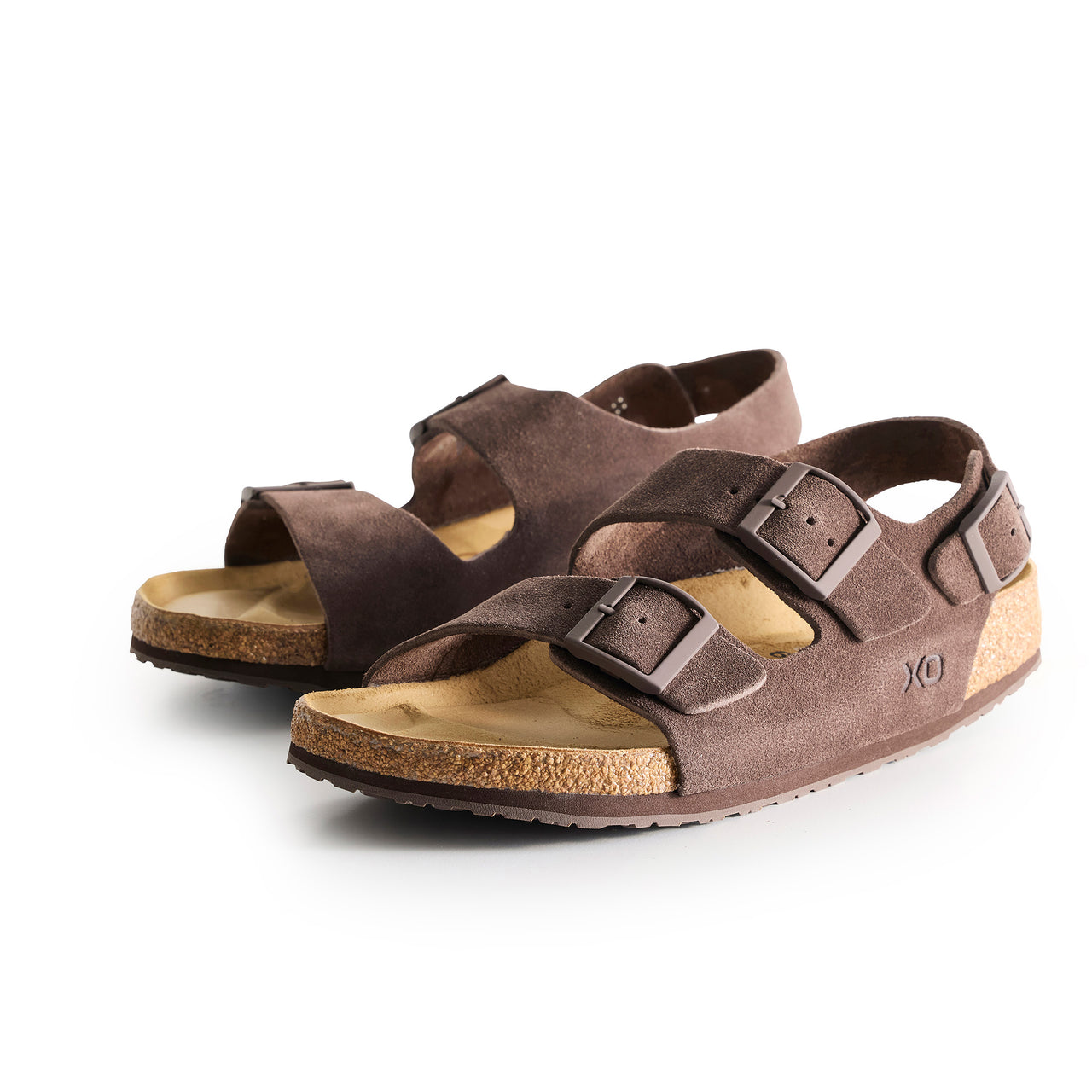
The pain is almost always linked to excessive pressure on the front part of the foot. If the transverse arch of the foot collapses, the toe bones are pressed closer together, irritating the nerve between them. A forefoot insole with a raised metatarsal pad positioned just behind the ball of the foot can redistribute the load, slightly increasing the space between the toe joints. This relieves the nerve, and many describe a dampening of the sharp, burning sensation. Shoes with a wide toe box and softer soles can also help reduce side pressure and impact on the forefoot. Those who stand for long periods on hard floors or run with a powerful push-off from the forefoot often feel a significant difference when the load is adjusted.
What type of metatarsal pad is and when to use it
There are two main options to start with. You can either choose a loose forefoot insole where the metatarsal pad is placed on the existing insole, or a full shoe insole with a built-in metatarsal pad. Both have the same purpose, but a full insole provides more even support across the entire foot. Placement is crucial: if the metatarsal pad is too far forward, it can rub; if it's too far back, it won't provide relief. Therefore, allow your foot a few days to adjust and move the loose metatarsal pad a few millimeters if needed.
Custom-made insoles may be considered if the problems have been long-standing or if simpler solutions are not sufficient. In such cases, the support is precisely molded to your foot, providing support to the central metatarsal bones. Early relief can prevent irritated nerves from becoming chronically sensitive, but not everyone needs a custom-made option. It's better to start with the simplest solution that works in everyday life and only proceed if you still find it difficult to walk, work, or exercise without pain flaring up.
How to use the insoles
- Start with shorter periods during the first few days and gradually increase the duration.
- Choose shoes with a wide toe box so that the forefoot is not compressed from the sides.
- Remove the shoe's original insole if it feels too tight to maintain the foot's height in the toe box.
- When running or brisk walking, a slightly softer outsole can absorb shocks that would otherwise impact directly on the forefoot.
- A metatarsal pad can be combined with toe separators during rest to further reduce pressure between the toes.
Self-care often includes a gradual increase in load and simple foot exercises that strengthen the intrinsic foot muscles and increase mobility in the toe joints. The important thing in practice is to keep the provocative pressure down while the nerve calms down, while maintaining movement that doesn't trigger pain.
We at Rehaboteket are a Swedish company that combines a selection of CE-marked orthopedic aids with advice from licensed physiotherapists as a complement to healthcare assessments. Our goal is to make it easy to understand which supports are commonly used for various problems, without replacing medical diagnosis.
When insoles are not enough
Seek medical attention if numbness increases, if nocturnal pain awakens you, or if you can barely walk despite insoles and wider shoes. Diagnosis is usually made through clinical examination, but ultrasound or MRI can be used to confirm findings.
If you want to understand more about symptoms, causes, treatment, and when it might be wise to seek medical care, we recommend our Injury Guide on Morton's Neuroma.
If you would like help choosing the right product for your specific issues, you are always welcome to contact our physiotherapist for personal advice.