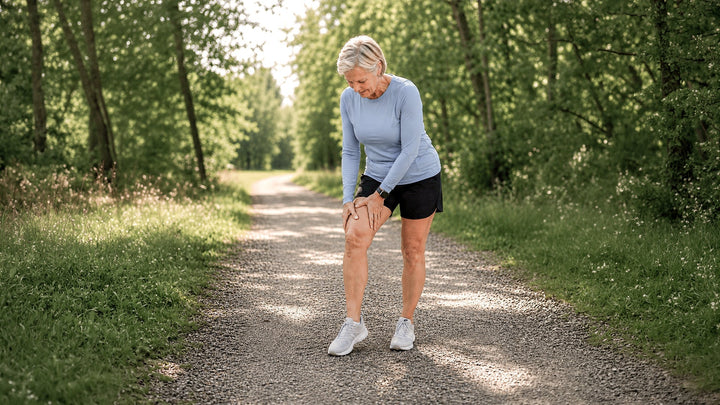
 It's not uncommon for your lower legs to swell after an intense workout, especially after leg-focused training or if you remain sedentary immediately afterwards. By keeping your muscles active, elevating your legs, and using compression, you can speed up blood flow and reduce the feeling of heaviness.
Why does swelling occur?
During an intense workout, microscopic damage occurs in the muscle fibers. To repair the damage, blood flow to the tissue increases and temporary inflammation is created, leading to fluid retention and swelling.
Exercising in high temperatures and for extended periods can also contribute to swollen legs as blood vessels dilate and gravity causes fluid to accumulate in the lower legs and feet.
A high salt intake and drinking large amounts of plain water without adding electrolytes can disrupt fluid balance and lead to fluid retention after exercise.
In individuals with impaired venous function, the body's ability to pump blood back to the heart is limited, which can further contribute to fluid accumulation in the legs.
Quick post-workout remedies
- Finish with five to ten minutes of gentle cool-down. Walk slowly, do foot circles and light calf raises to help the calf muscles pump blood back to the heart.
- Then lie down with your legs elevated above your heart. Elevation reduces pressure in the veins and helps drive fluid upwards.
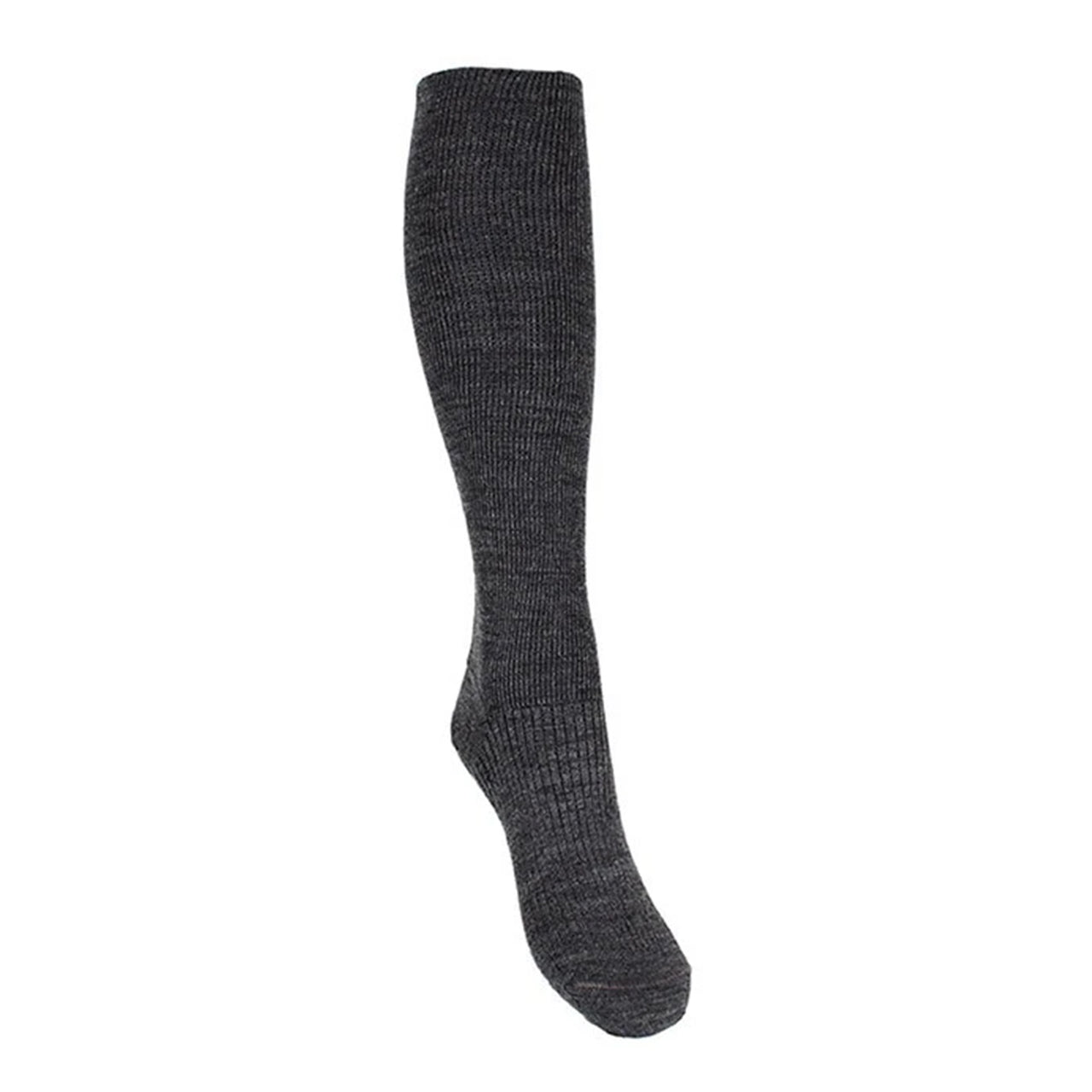
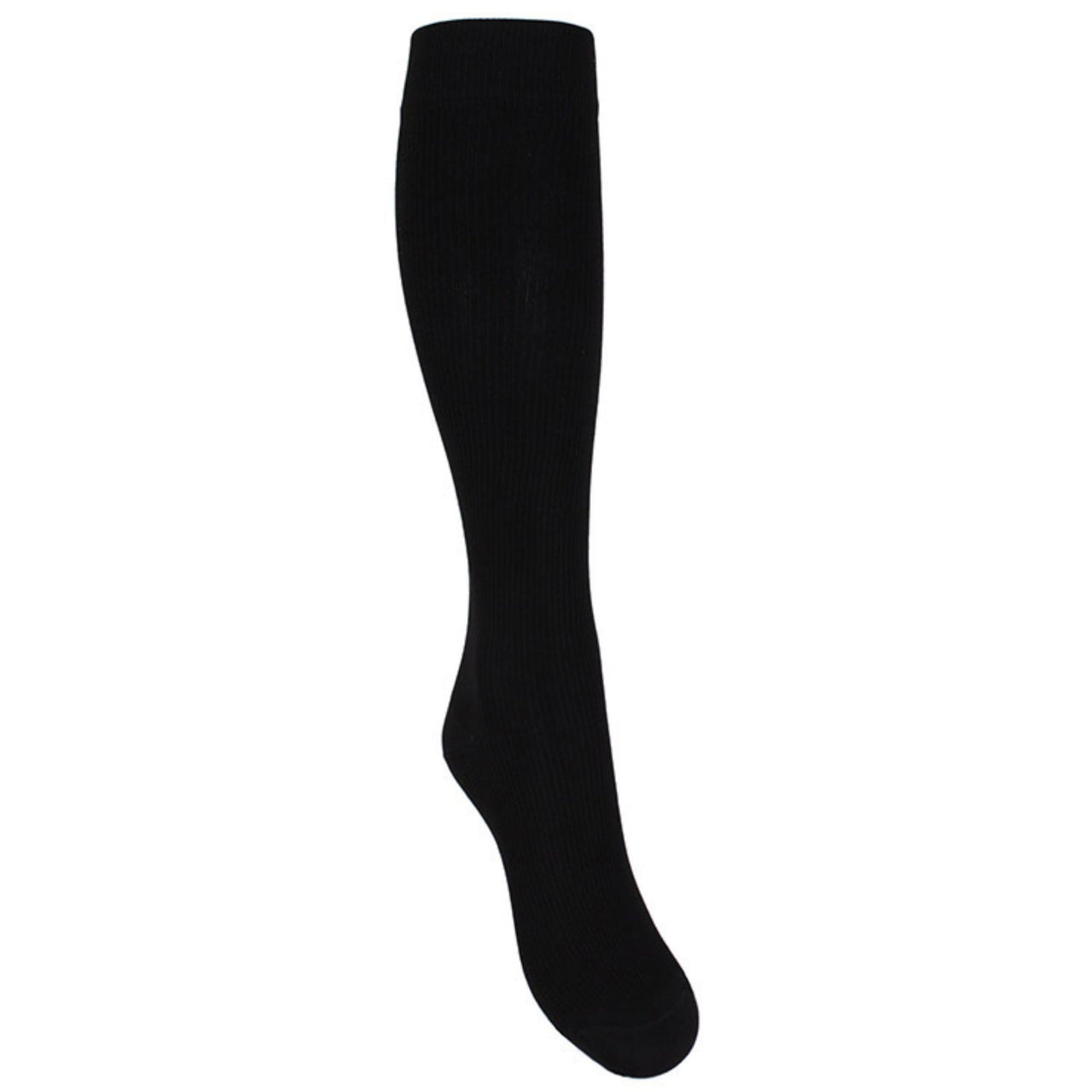
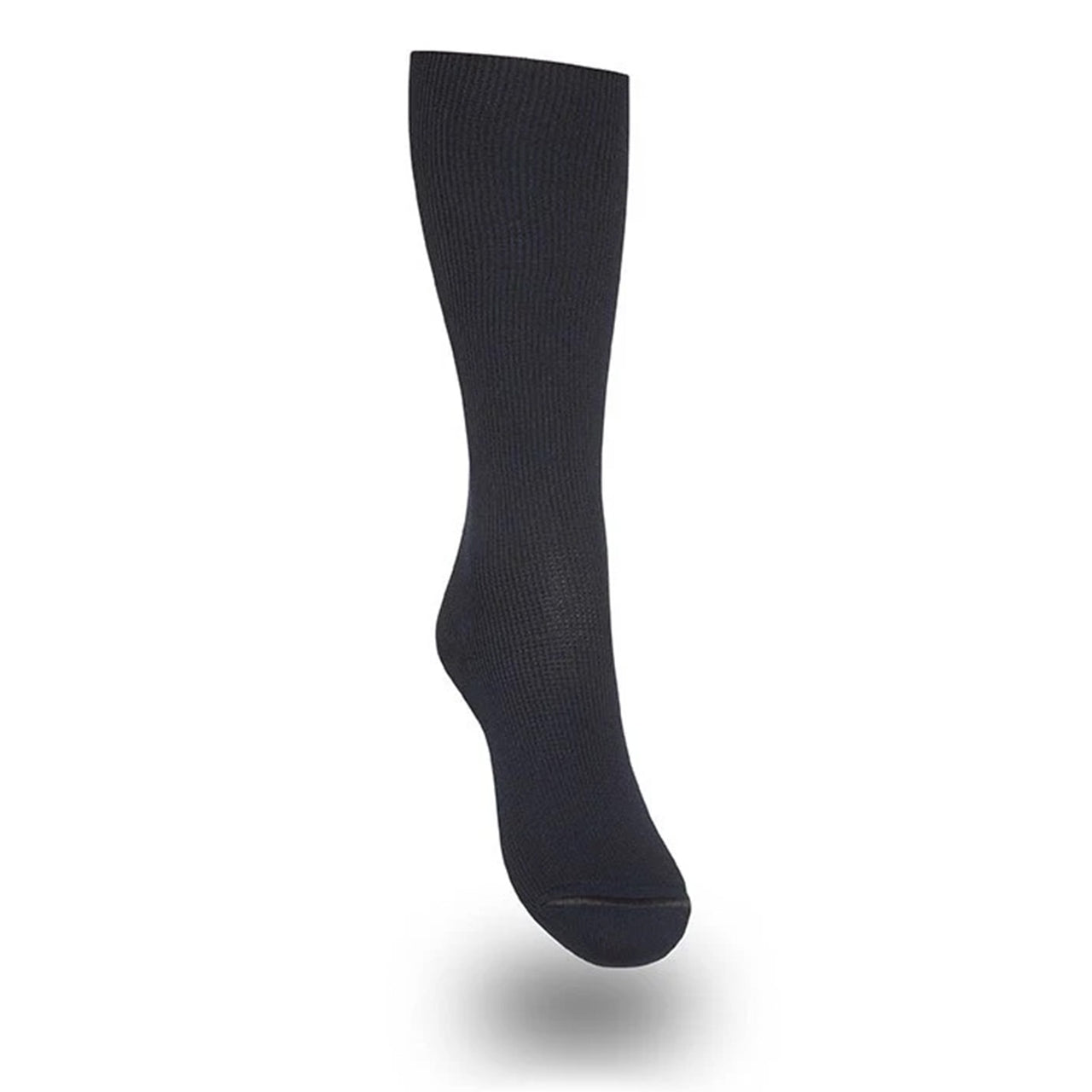
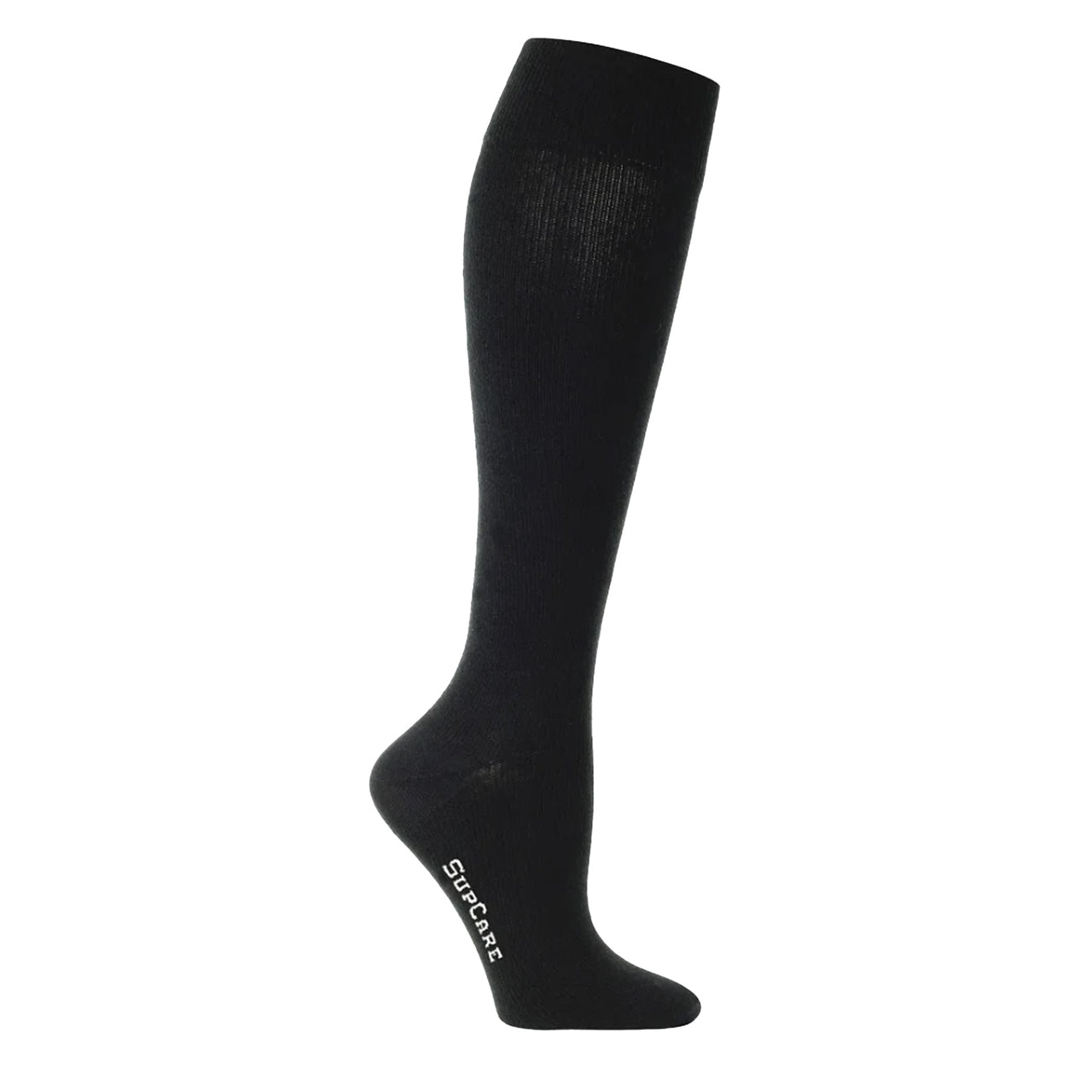
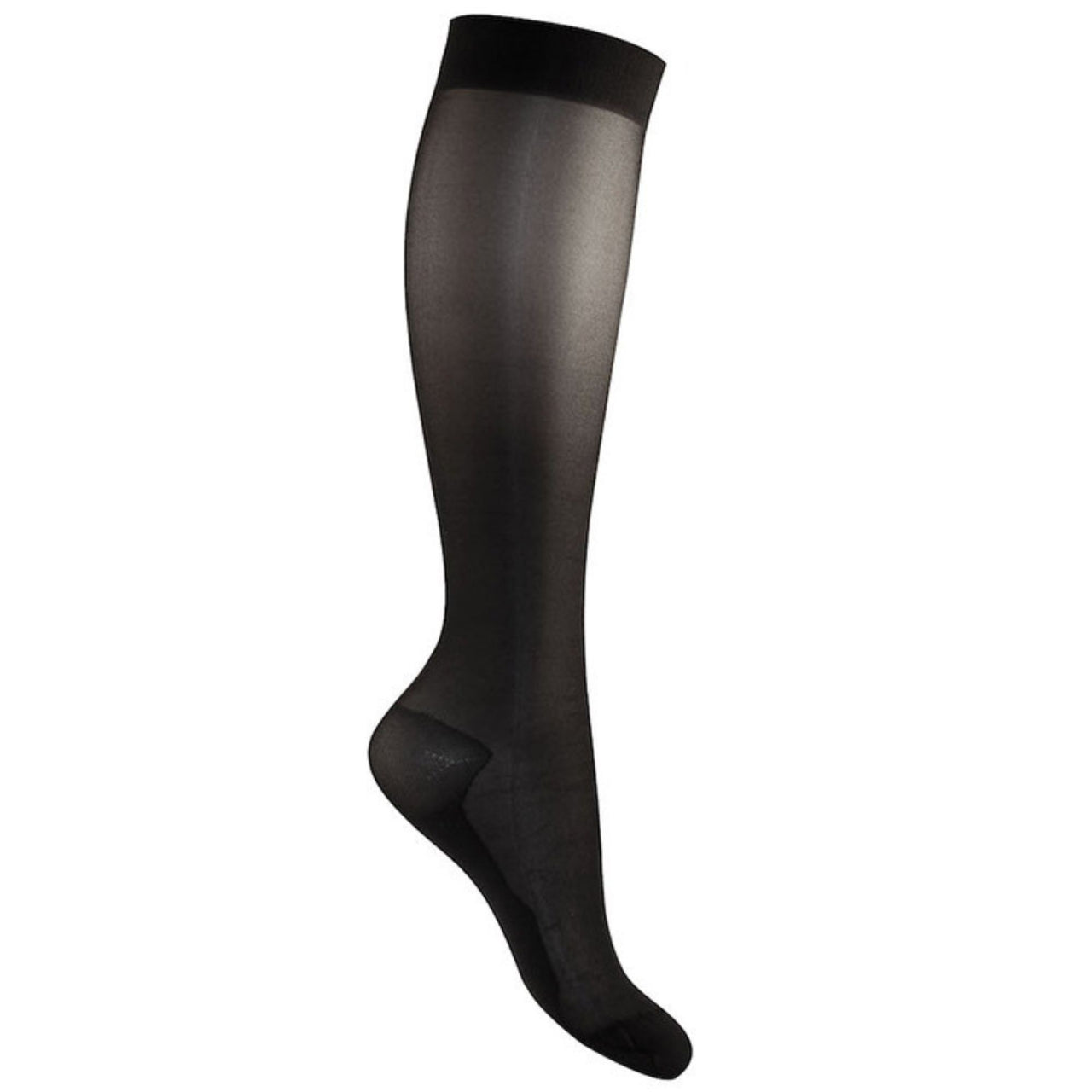
Put on a pair of graduated compression stockings while your lower legs are still least swollen. Light compression is usually sufficient for recreational athletes without medical prescription. - Rehydrate with water. A balanced fluid intake signals to the body that it doesn't need to retain excess fluid. If it's hot or you've sweated a lot, you should also make sure to get electrolytes, which are found in rehydration solutions.
- Keep salt intake at a moderate level. Too much sodium causes the body to retain more fluid, especially on hot summer days.
Our products that can help with swollen legs
A pair of shock-absorbing insoles that provide arch support and contribute to a neutral gait can reduce recurring strain on the lower legs, but always increase training gradually.
Compression garments come in different compression classes. Higher pressure is used for diagnosed venous problems or lymphedema and is prescribed by healthcare professionals. If you do not have a medical condition that warrants a higher compression class, compression stockings in compression class 1 are recommended for everyday use with a graduated compression of 15-21 mmHg, where the compression is highest at the ankle and gradually decreases upwards along the leg.
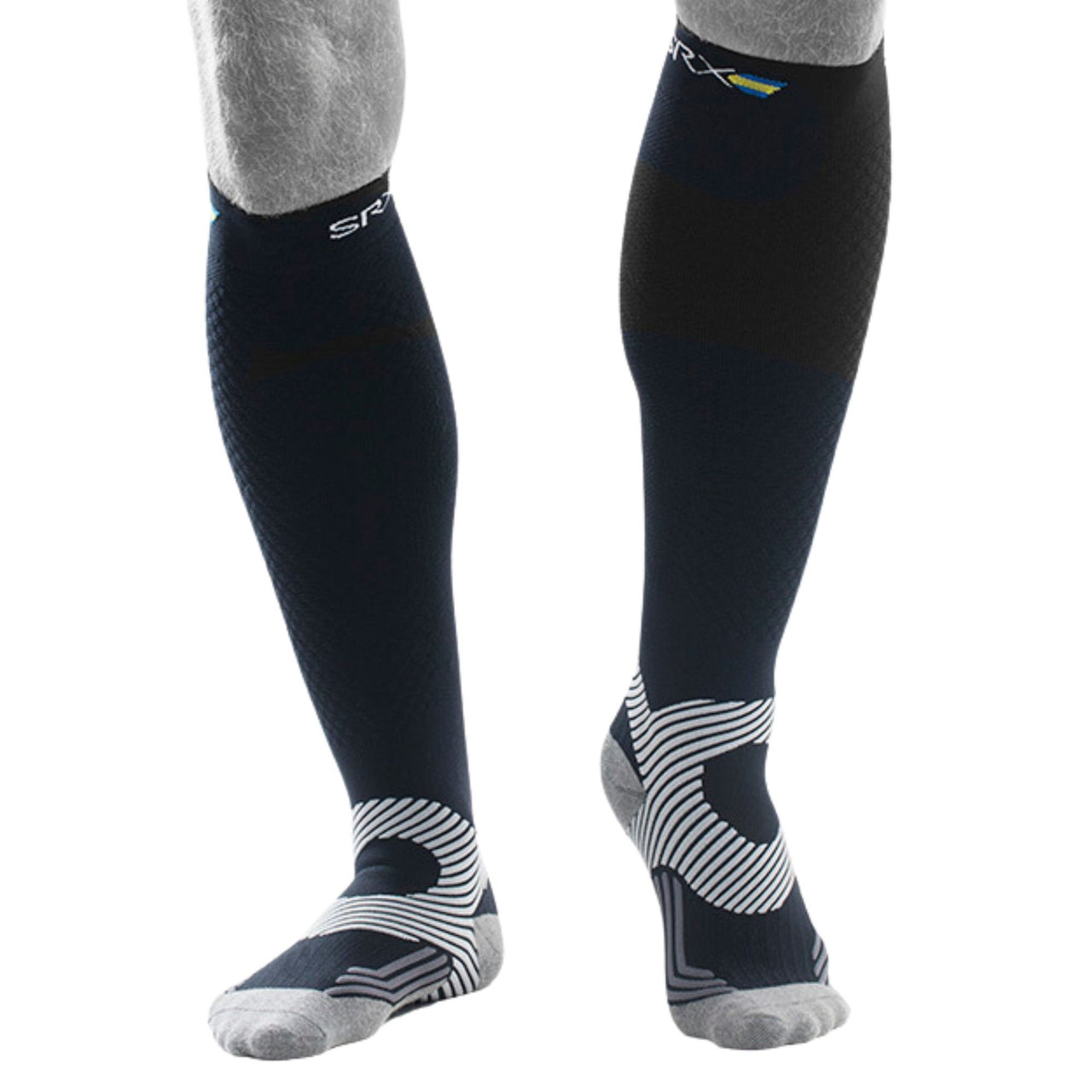
A compression calf support can be an alternative to compression stockings and used during physical activity and training for extra muscle support and reduced swelling.
First 24 hours after training
Plan short movement breaks throughout the day. Get up every thirty minutes if you have a sedentary job and take a few steps. At your desk, you can continue with foot circles and calf raises. Many also find relief from sleeping with a pillow under their calves.
For walks or light jogging, an elastic calf support can provide even pressure over the muscle that most often becomes hard and tense.
Exercise as treatment
Regular, moderate movement is an effective way to counteract leg swelling and speed up recovery.
• Walk at a brisk but comfortable pace, cycle at a low resistance, or try water training, which provides natural pressure on the legs.
• Include technique sessions with controlled calf raises, both with a straight and bent knee, to activate both the gastrocnemius and soleus. Two to three short sets spread throughout the day are more effective than one long one.
• Avoid standing or sitting completely still for long periods. Shake your feet, roll through your entire foot when you walk, and keep your steps rhythmic. This way, the calf muscle constantly works as a natural pump. If you have lymphedema, you should always exercise with compression on, as the pressure keeps trapped fluid down and prevents increased swelling.
When should you seek medical care?
Temporary swelling that subsides within a day with movement, elevation, and compression is rarely dangerous. However, contact healthcare if:
• one leg suddenly becomes severely swollen
• you have severe pain, redness, or increased warmth
• the swelling does not decrease despite self-care
• you also have shortness of breath or fever.
Underlying conditions such as blood clots, venous disease, or chronic lymphedema require medical assessment and sometimes different treatment than what is sufficient for common exercise-related swelling.